Commercial Shipping Paralyzed in Hormuz as Iran Enforces De Facto Blockade; Crew Safety Deteriorates
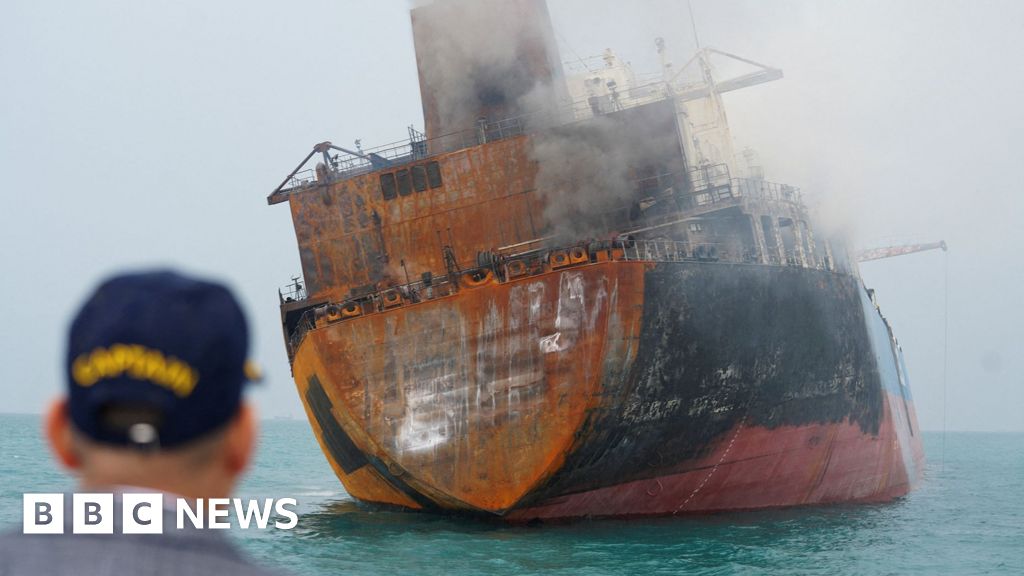
Crew safety deterioration converts the military blockade into a commercial supply shock that persists even if shooting stops. If insurers deny coverage or crews refuse deployment, shipping lines will reroute permanently to Cape of Good Hope or pipeline alternatives (Saudi-UAE pipelines to Fujairah), locking in higher energy costs for Europe and Asia independent of ceasefire timelines.
This shifts the blockade's duration from a military variable (dependent on Iranian capability or US-Israeli willingness to sustain strikes) to a market variable (dependent on insurance, crew availability, and route economics) — making the disruption harder to reverse through military action alone.
This is the human cost dimension of the IEA's March 12 assessment that the US-Israeli campaign triggered the largest oil supply disruption in history.
Crew safety deterioration signals that commercial shipping insurance and crew retention will become binding constraints on throughput recovery even if military operations pause.
Insurers and ship operators are now pricing in active combat zone conditions rather than mere blockade risk — a shift that will raise transit costs, extend voyage times via alternative routes (Suez + Red Sea adds 6-8 days), and accelerate energy supply shifts away from Gulf producers.
The stranded crews are also potential leverage points: if casualties mount, crew unions and flag states may refuse transits regardless of military all-clear signals.
The article does not specify how many vessels are currently stranded, what percentage of normal Hormuz traffic this represents, or whether insurers have begun refusing coverage for transits — all critical data for assessing whether the blockade is now self-reinforcing through market mechanisms rathe...
Fault Lines
Strategic intelligence, synthesized daily — with a public track record. Every call graded against what actually happened.