Germany Orders Four MEKO Frigates as Interim Hormuz Escort Capability
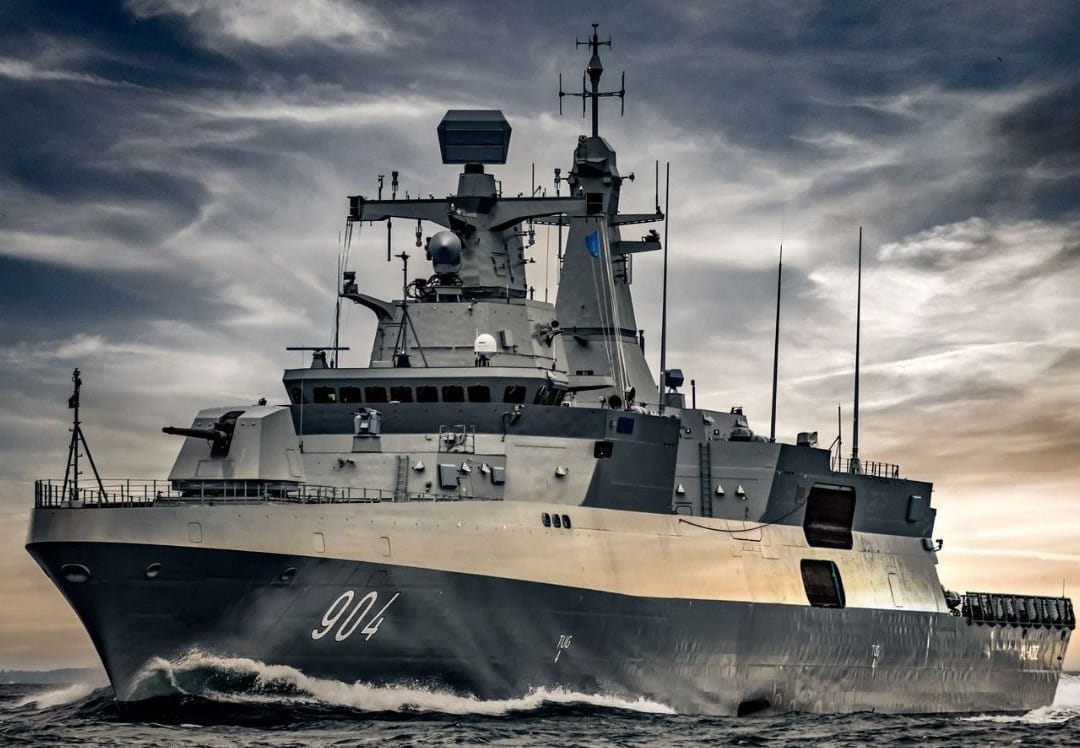
Germany's MEKO purchase directly enables the seven-nation Hormuz escort commitment announced March 19 — without interim frigate capacity, Germany could not sustain escort rotations.
This converts the multinational Hormuz force from a diplomatic statement into an operationally viable coalition, which in turn raises the cost of Iranian blockade continuation (more allied naval presence means higher risk of direct confrontation).
The procurement decision also signals to allied navies that interim purchases are acceptable — France, UK, Italy, Netherlands, Japan, and Canada will likely evaluate similar gap-filler acquisitions, creating a near-term market surge in available frigate platforms and potentially accelerating existing procurement schedules.
Germany is accelerating frigate procurement to meet immediate escort requirements in the Strait of Hormuz, where Iranian blockade has collapsed transit to near-zero.
The MEKO A-200 purchase closes a capability gap between now and F126 delivery (timeline not specified in source). This is a direct response to the active US-Israel-Iran conflict and signals European navies are moving from diplomatic posturing to operational deployment — Germany cannot wait for new-build F126s to contribute to Hormuz escort missions.
The decision commits German capital to interim platforms and establishes a precedent for allied navies accelerating procurement timelines to address immediate chokepoint vulnerability.
The article does not specify delivery timeline for the four MEKO A-200s, total contract value, which shipyard will build or refit them, or whether these are new-build or used platforms.
Fault Lines
Strategic intelligence, synthesized daily — with a public track record. Every call graded against what actually happened.