Trump Cancels US Missile Deployments to Germany; Forces European Rearmament Acceleration
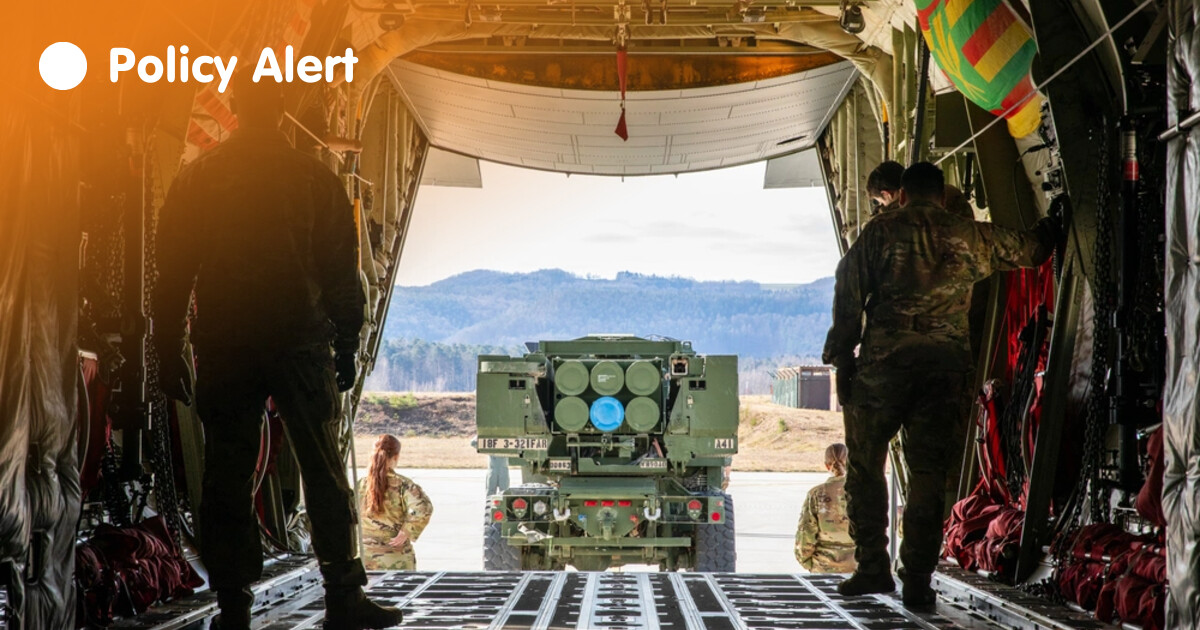
The cancellation removes a key pillar of US-Europe burden-sharing: the US provided extended deterrence; Europe accepted limited sovereignty over strike systems. With that trade broken, European defense spending now flows to domestic industrial capacity rather than US primes. Lockheed, Raytheon, and Boeing lose the European air defense refresh that was locked into NATO planning cycles.
MBDA and Rheinmetall capture that market share. This accelerates European strategic autonomy not through diplomatic negotiation but through US abandonment—forcing Europe to fund capabilities it would have let the US provide.
This is a credibility blow to the US nuclear umbrella in Europe, not a minor procurement hiccup.
Germany loses the extended deterrent it negotiated into NATO posture; France and Poland now face a harder case for relying on US air defense commitments. The immediate effect: European defense ministers will front-load their FY27 procurement cycles to lock in domestically-sourced air defense and strike systems before budget cycles lock.
Rheinmetall, MBDA, and Thales gain procurement momentum they wouldn't have had six months ago. The longer play: Germany's political cover for rearmament just got cheaper. Merz can now argue rearmament is necessity, not choice—and he doesn't need to negotiate with Washington for every platform. Watch for acceleration in Taurus missile production and Franco-German FCAS fighter-bomber timelines.
The US doesn't lose Europe overnight, but it loses the option to veto European military autonomy.
Did Trump cancel the deployment unilaterally, or did Germany formally request withdrawal? The distinction matters: a US pullback is a capability loss; a German request is political repositioning. The article doesn't clarify.
Fault Lines
Strategic intelligence, synthesized daily — with a public track record. Every call graded against what actually happened.