US withdraws second Syria base; Assad consolidates control with Turkish border risk
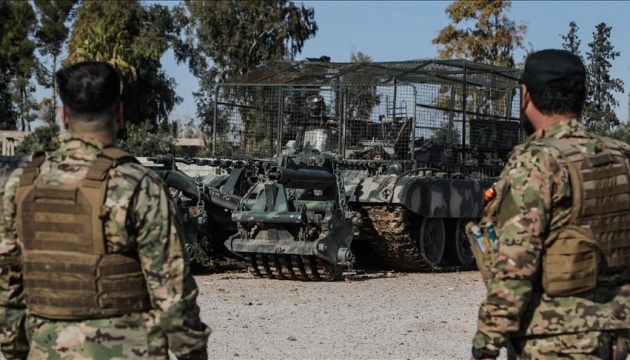
This is primarily a Power Projection story: U.S. military presence in Syria is shrinking, reducing direct capability to counter ISIS and constrain Iranian/Russian influence in the Levant.
There is a secondary Geopolitical Friction element: the handover reflects a de facto U.S. acceptance of Assad's rehabilitation and reduced U.S. willingness to support the SDF against Turkish pressure, which may accelerate Turkish military operations against Kurdish forces. Limited Market Forces relevance — no direct procurement or defense industrial implications from this single base transfer.
This signals continued U.S. force reduction in Syria and Assad's recovery of territory nominally held by the SDF — a key U.S. partner.
The loss of this base reduces U.S. ability to conduct counterterrorism operations against ISIS remnants in eastern Syria and diminishes leverage over the SDF, which now faces pressure from both an ascendant Assad regime and Turkish military threats.
The timeline and terms of the handover — described as 'coordinated' — suggest a negotiated U.S. withdrawal rather than a forced evacuation, but the underlying dynamic favors Assad consolidation.
Key uncertainty: whether the U.S. retains any presence in Syria after this (the article mentions a 'second' base, implying at least one remains), and whether the SDF can maintain autonomy as Assad's reach extends into their territory.
The article does not specify which U.S. base was handed over first, the total U.S. military footprint remaining in Syria, or the timeline for any further withdrawals.
Fault Lines
Strategic intelligence, synthesized daily — with a public track record. Every call graded against what actually happened.