EU Oil Coordination Group Warns Jet Fuel Tightening Within Weeks if Middle East Conflict Persists
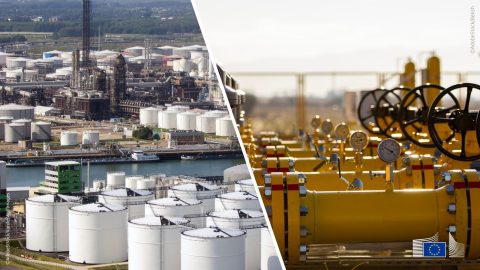
The Hormuz closure cascades backward into refinery utilization and forward into airline pricing power. If European refineries lose 40-50% of their feedstock for 4+ weeks, they will cut jet fuel production to preserve diesel and gasoline for ground transport — which means the constraint tightens faster than the article's 'weeks' language suggests.
Airlines cannot absorb fuel cost spikes above 15-20% without triggering fare increases that destroy demand in a recession-adjacent economy. The real risk is not scarcity per se — it's that European carriers lose competitiveness to Middle Eastern and Asian carriers who have direct refinery access and can absorb hedging losses.
European airlines and air cargo operators face a hard constraint: Hormuz disruption directly feeds European refineries, and replacement supply from non-Middle Eastern sources cannot scale fast enough to prevent rationing by mid-June.
Lufthansa, Ryanair, and Air France-KLM will need to choose between fuel surcharges (crushing margins in an already-tight market) or capacity cuts on long-haul routes. The timeline is the constraint — if Hormuz clearance doesn't resume by early June, the EU will be forced to either invoke emergency fuel-sharing protocols (signaling crisis-level scarcity) or accept that summer flight schedules face cancellations.
Watch whether the Commission activates Article 122 emergency measures or requests strategic petroleum reserve releases by June 7.
What percentage of European jet fuel normally transits Hormuz, and what is the actual current flow rate? The article cites no baseline, making it impossible to calculate the supply gap or replacement timeline.
Fault Lines
Strategic intelligence, synthesized daily — with a public track record. Every call graded against what actually happened.