French Navy Completes ATL2 Modernization, Retires Last Legacy MPA Platform
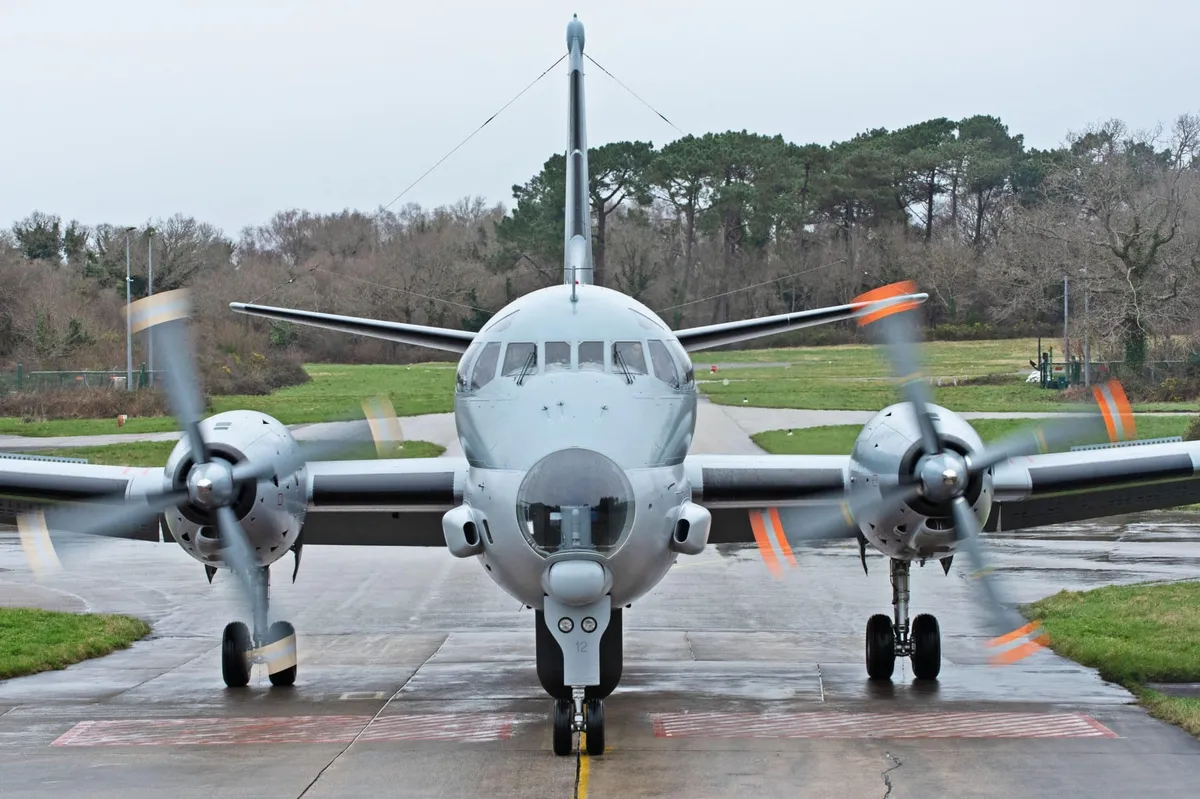
France's completion of ATL2 modernization removes the technical justification for retaining the fleet beyond 2030, forcing a procurement decision that will either increase French defense spending (new platform or P-8 lease) or reduce NATO's organic MPA capacity in the Atlantic and Mediterranean. If France delays successor procurement, allied ASW and maritime ISR over the Atlantic approaches will depend on U.S.
Navy P-8s and UK Poseidons, tightening the operational margin for detecting Russian submarines transiting from the Barents to the Atlantic.
France has now exhausted its upgrade path for the ATL2 fleet, meaning the service must decide between extending aging airframes further or accelerating procurement of a successor platform.
The ATL2 entered service in 1989; even upgraded to standard 6, the aircraft is nearing the end of its economic life. This forces a near-term capability gap decision: either maintain current airframes at rising sustainment cost, pursue a stop-gap lease or purchase (e.g., P-8 Poseidon), or accept reduced MPA availability until a new platform matures.
The timing matters for NATO — France provides the alliance's only organic Atlantic-class MPA coverage for the eastern Atlantic and Mediterranean. If France opts for a gap rather than interim procurement, NATO loses a dedicated platform for sub-surface and anti-surface operations in those theaters until replacement arrives, likely post-2030.
The article does not state how many ATL2 airframes France intends to retain in service post-upgrade, or whether the DGA has committed to a successor platform, interim lease, or managed drawdown.
Fault Lines
Strategic intelligence, synthesized daily — with a public track record. Every call graded against what actually happened.