Skyeton SATCOM Integration Expands Raybird UAV Range Beyond Line-of-Sight Operations
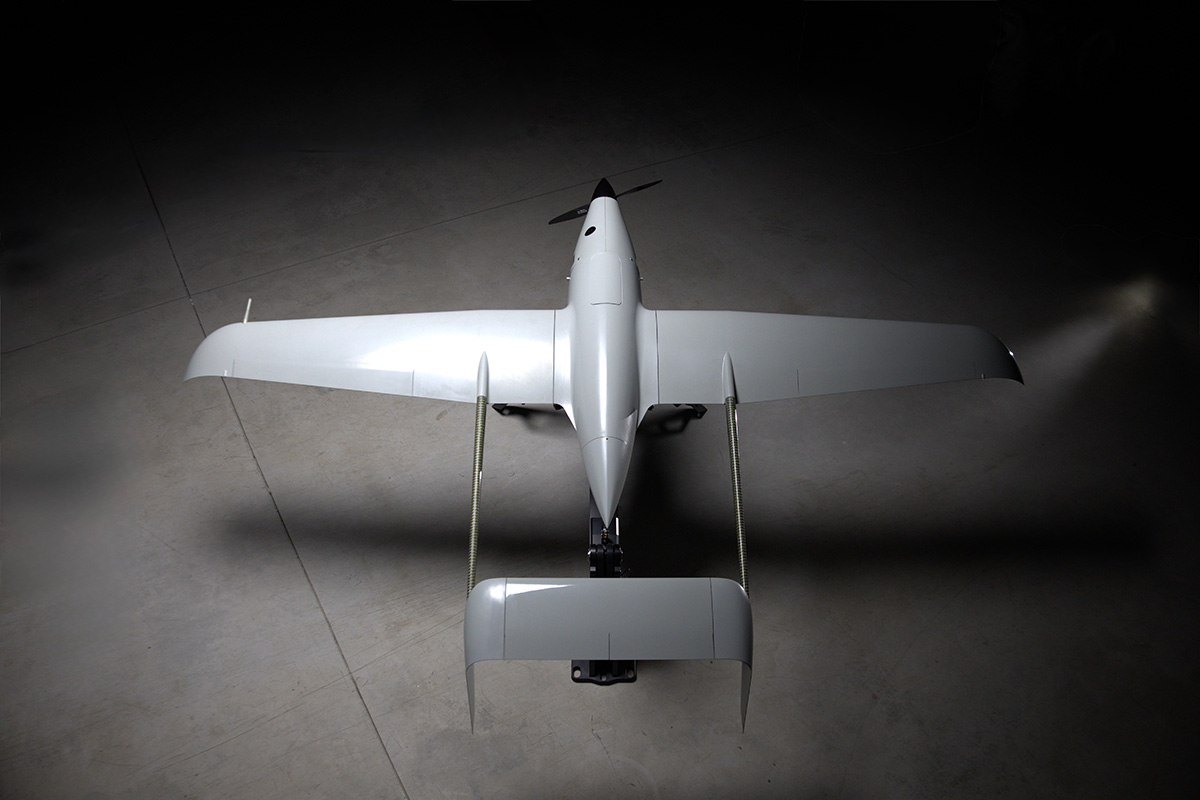
If Skyeton selected Starlink (the only SATCOM constellation with proven Ukrainian military integration), this signals Kyiv's deepening operational dependence on commercial U.S. infrastructure for beyond-line-of-sight strike and ISR — a dependency that U.S. policy (via SpaceX terms of service or State Department pressure) can interrupt.
If instead Skyeton used a non-U.S. constellation, it indicates Ukraine is reducing reliance on American SATCOM monopoly, which would reduce U.S. leverage over Ukrainian targeting decisions but also force Ukraine to manage multiple vendor relationships during wartime.
SATCOM integration materially extends Raybird's operational radius from ground-line-of-sight (typically 50-150 km depending on terrain) to continental or global range, removing a primary constraint on sustained operations over contested territory.
For Ukraine's current air operations, this enables deeper strike missions and persistent ISR without requiring forward relay stations or manned support. However, the article does not specify bandwidth, latency, frequency band (which determines vulnerability to jamming), or whether this is a tactical or strategic SATCOM layer — all critical to assessing actual operational gain.
The upgrade's military value depends entirely on which satellite constellation Skyeton selected and whether it offers sufficient uplink security and redundancy to survive Russian electronic warfare. Without those details, we cannot distinguish between a meaningful capability jump and an incremental improvement.
Which satellite operator or constellation (Starlink, Viasat, Intelsat, or other) provides the SATCOM backbone? What is the latency and bandwidth? Is the link encrypted and, if so, by whom? Does the integration support real-time targeting or only telemetry?
Fault Lines
Strategic intelligence, synthesized daily — with a public track record. Every call graded against what actually happened.