Belgium Detains Russian Shadow Fleet Tanker on €10M Bond, Crew Confined
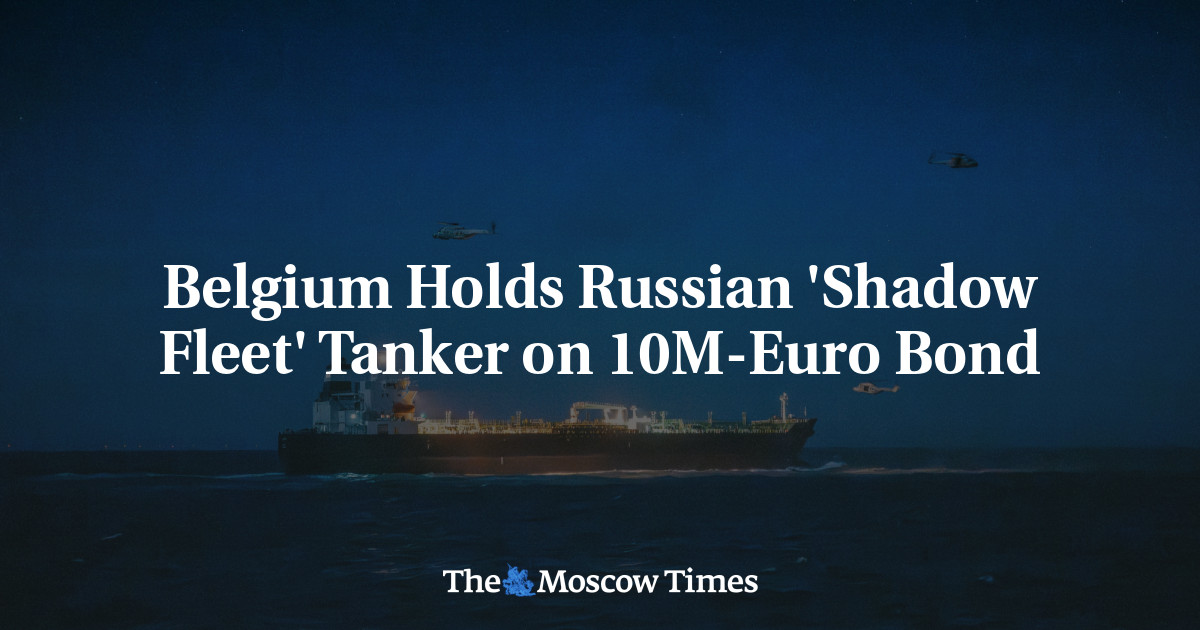
Shadow fleet detentions in EU ports raise the cost of Russian oil circumvention, which pushes marginal tankers toward non-compliant ports (primarily in the Middle East and West Africa) and extends voyage times, effectively tightening the price cap's enforcement without new legislation.
If EU members coordinate detention enforcement at scale, Russia's oil export volumes could face pressure independent of OPEC+ production decisions, reshaping the calculus for allied energy security planning and sanctions sustainability.
This signals enforcement of EU sanctions against Russia's shadow fleet—the network of aging, often-uninsured tankers used to circumvent oil price caps and export restrictions.
A successful detention and bonding in a NATO member state demonstrates willingness to interdict Russian maritime assets in European ports, which raises operational risk for shadow fleet operators and potentially increases insurance costs or forces rerouting to non-compliant ports.
However, a single detention does not indicate a systematic enforcement escalation; the frequency and scale of such actions will determine whether this represents a tightening of the sanctions perimeter or an isolated enforcement event.
The article does not identify the tanker, its cargo, its origin/destination, or the specific sanctions violation being enforced.
Fault Lines
Strategic intelligence, synthesized daily — with a public track record. Every call graded against what actually happened.