Turkey Completes MAC-50 Corvette Deliveries to Qatar; Turkish Naval Export Consolidates
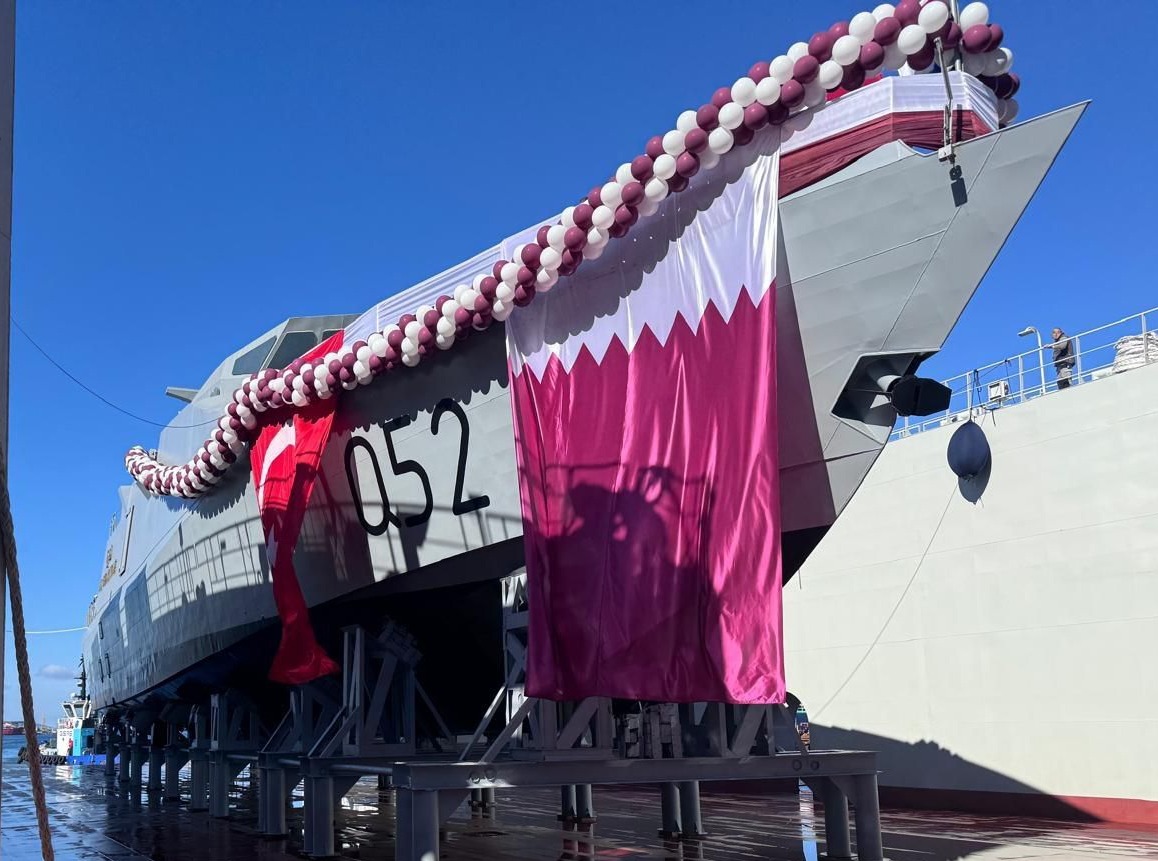
Turkey's naval export success to Qatar creates a foothold for follow-on sales across the Gulf, where U.S. and European shipbuilders (Lockheed, Fincantieri, ThyssenKrupp) compete for corvette and patrol craft contracts. If Qatar or neighboring states order additional MAC-50s or derivatives, Turkish yards gain market share in a region where Western primes have historically dominated.
This is primarily a market competition story, not a geopolitical realignment—but repeated Turkish wins in the Gulf would gradually shift procurement patterns and reduce dependence on Western suppliers for smaller combatants.
This delivery marks the successful completion of a bilateral naval procurement and reinforces Turkey's position as a corvette exporter to Gulf states.
For Qatar, the MAC-50 adds incremental anti-ship and coastal defense capability; for Turkish shipbuilders (Dearsan specifically), it validates the platform for future regional sales. The strategic value is modest: a two-ship class is not a force multiplier, and the MAC-50 is a proven design, not a technological leap.
Watch whether this success leads to additional orders from other Gulf navies (Saudi Arabia, UAE, Bahrain) or whether it remains a bilateral artifact. The real signal is whether Turkey can convert this reference platform into a repeat-customer relationship in the region.
The article does not specify: cost of the contract, delivery timeline for the first vessel (Q-51), operational status or sea trials, or whether Qatar has expressed interest in additional units or upgrade packages.
Fault Lines
Strategic intelligence, synthesized daily — with a public track record. Every call graded against what actually happened.