Classiq, South Korean University Launch Quantum Software Training to Build Domestic Talent
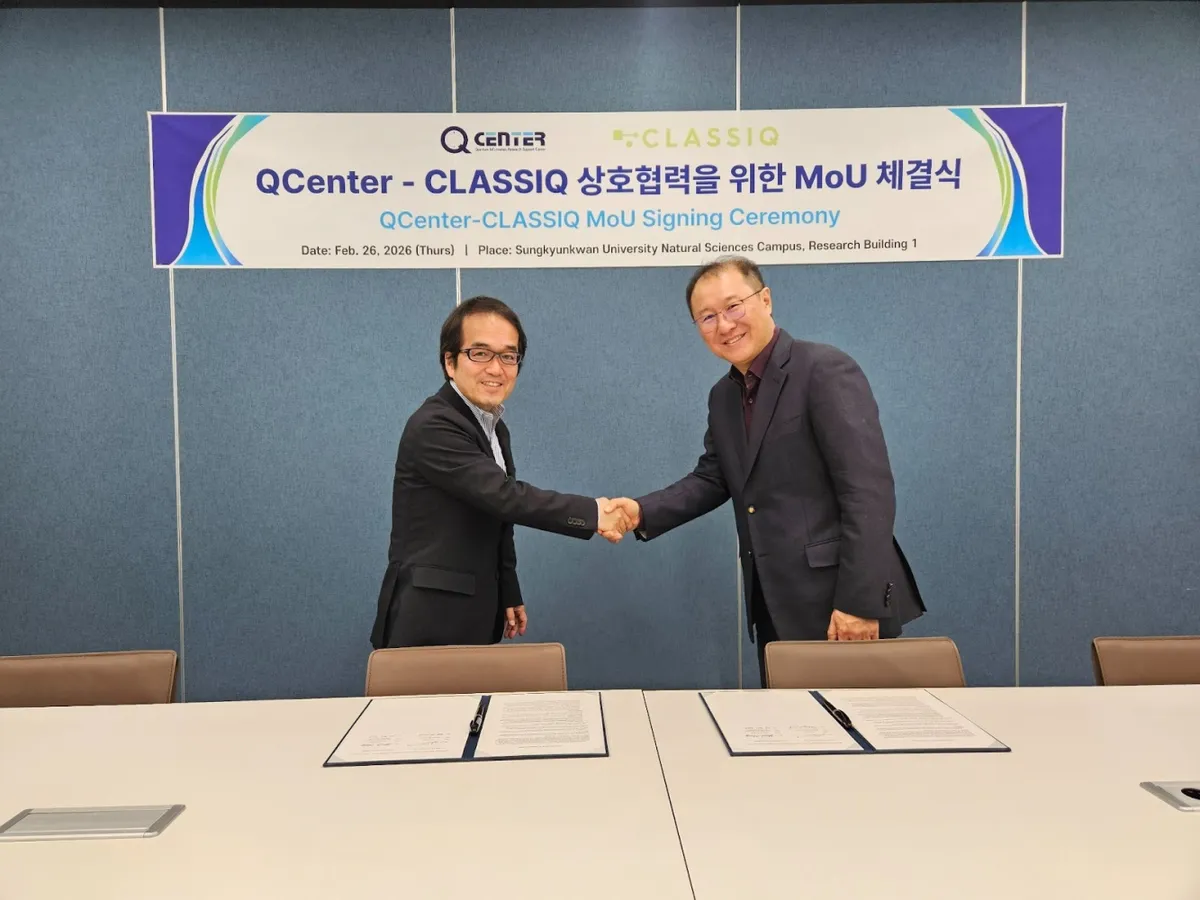
South Korea's quantum workforce development directly affects the timeline for deploying quantum-resistant cryptography in military communications and critical infrastructure. If Seoul builds indigenous quantum software talent, it reduces the window during which it must license or purchase foreign quantum tools — a dependency that China and the U.S. currently exploit for leverage.
Conversely, if graduates are hired by foreign companies or emigrate, this partnership becomes a subsidy to competitors rather than a domestic capability gain.
South Korea is competing to build quantum computing capability against China and the United States.
A domestic talent pipeline in quantum software reduces reliance on foreign expertise and accelerates commercialization of quantum applications. However, this partnership alone does not shift South Korea's quantum position — it is one university initiative with an Israeli software vendor.
The impact depends on whether Seoul government backs this with funding, whether it connects to Samsung or SK Hynix quantum roadmaps, and whether graduates move into Korean defense or critical infrastructure projects rather than emigrating to the U.S. or joining foreign firms.
The article does not disclose: Classiq's prior ties to South Korean government or industry; whether this MOU includes government funding or is purely academic; whether Korean defense or intelligence agencies are involved; or how this fits into South Korea's broader National Quantum Initiative (if on...
Fault Lines
Strategic intelligence, synthesized daily — with a public track record. Every call graded against what actually happened.