Pentagon Stages B-1 Bombers at RAF Fairford; Prepares Sustained Iran Strike Campaign
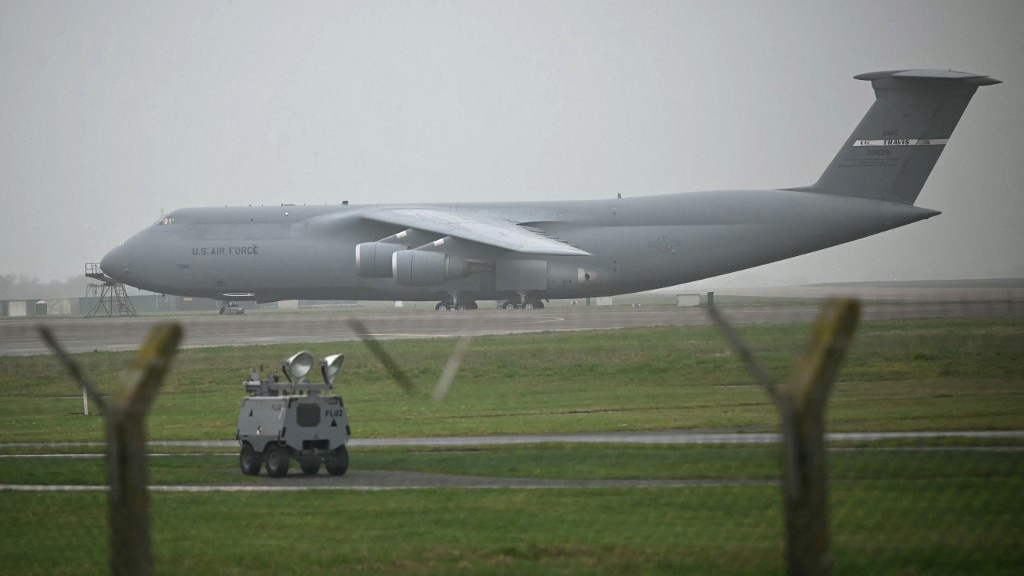
B-1 forward basing in the UK reduces dependence on Qatar and reduces transit time from the continental US, which directly compresses the cycle time between target identification and strike execution — a procurement advantage for munitions suppliers (RTX Tomahawk, GBU-31 producers) if sustained operations require higher monthly burn rates.
If Fairford becomes a regular staging hub for Iran operations, UK airfield maintenance contracts and fuel logistics become strategic dependencies for campaign continuity.
B-1 staging in the UK extends US strike reach and operational tempo without requiring additional tanker sorties from Gulf bases, reducing logistics bottlenecks that could otherwise constrain the campaign frequency.
This is a logistics decision, not a political signal — it indicates the Pentagon expects sustained operations beyond the current six-day cycle. The staging also distributes basing risk away from the Gulf, where Al Udeid (Qatar) has already absorbed Iranian missile strikes.
Watch whether additional B-1s or B-52s follow; the arrival of three aircraft alone does not confirm a major surge — it may simply replace rotation from prior sorties. The critical question is operational tempo: if Fairford becomes a regular forward base for Iran strikes, sustainment contracts for UK-based munitions handling and maintenance will shift.
The article does not specify how long the bombers will remain at Fairford, whether this is a permanent forward deployment or a temporary surge rotation, or what the Pentagon's target list and strike frequency actually are.
Fault Lines
Strategic intelligence, synthesized daily — with a public track record. Every call graded against what actually happened.