UK-France Lead 40-Nation Coalition to Clear Hormuz Post-Ceasefire; Naval Escort Model Replaces Blockade
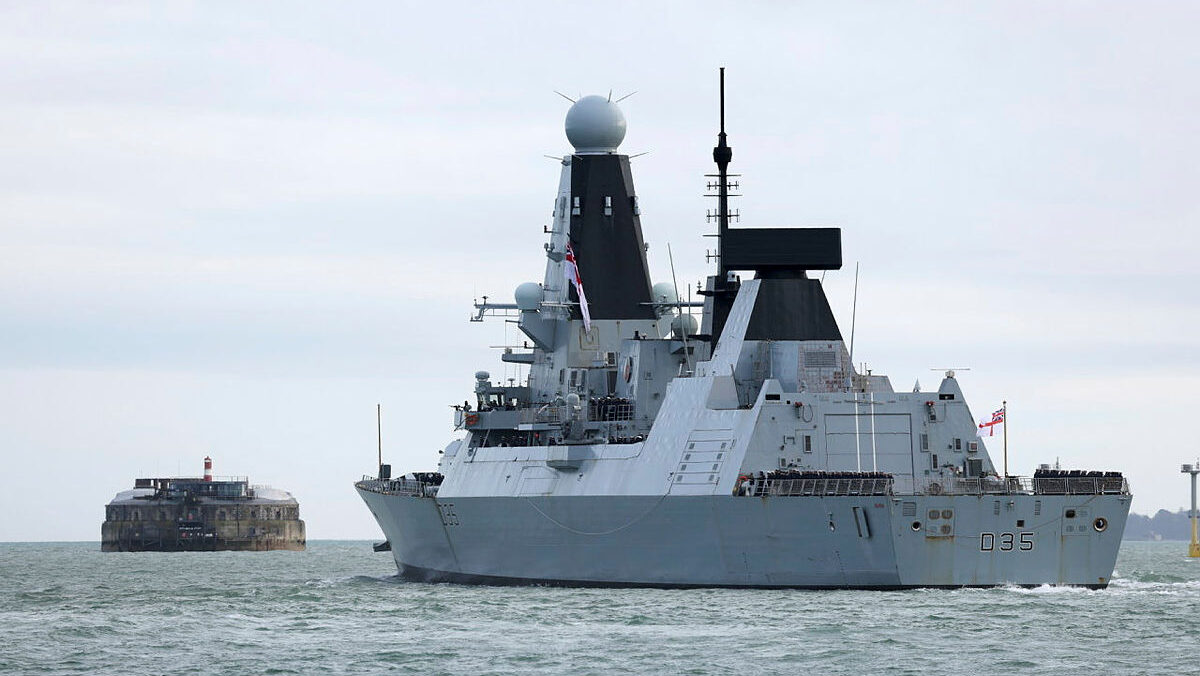
The timing exposes a negotiating fault line. Trump signaled willingness to negotiate Taiwan arms sales with Xi on May 13; three days later, the UK-France coalition surfaces as Plan B. If Trump reaches a bilateral deal that leaves the Strait unguarded, European capitals face a choice: fund their own 24/7 escort rotation (estimated $8-12B annually across 40 nations) or accept Chinese-Iranian terms on transit.
The coalition's credibility depends on whether it can sustain operations without US Navy logistics — if it cannot, the coalition becomes leverage for Trump to extract concessions from allies on other issues (NATO spending, Taiwan, trade).
This coalition structure signals that Western powers are pre-positioning a non-US-led escort alternative, which directly weakens Trump's leverage in any Hormuz negotiation with Xi.
If the coalition deploys with European command and NATO assets, it reduces US dependence on a bilateral Trump-Xi deal and splits the cost of sustained Strait operations across 40 nations rather than concentrating it on CENTCOM.
Watch the formal announcement for which nations are named — AUKUS members (UK, Australia), Gulf allies (UAE, Saudi Arabia), and Japan will indicate whether this is a genuine coalition or a placeholder to manage expectations until Trump negotiates a unilateral off-ramp.
Does the article name which specific nations have committed to the coalition, or is the '40 nations' figure aspirational? If the latter, the coalition is still in recruitment phase and may collapse once Xi makes a counteroffer to Trump.
Fault Lines
Strategic intelligence, synthesized daily — with a public track record. Every call graded against what actually happened.