Army Seeks Battalion-Organic Drone With 40km Range to Fill Tactical Reconnaissance Gap
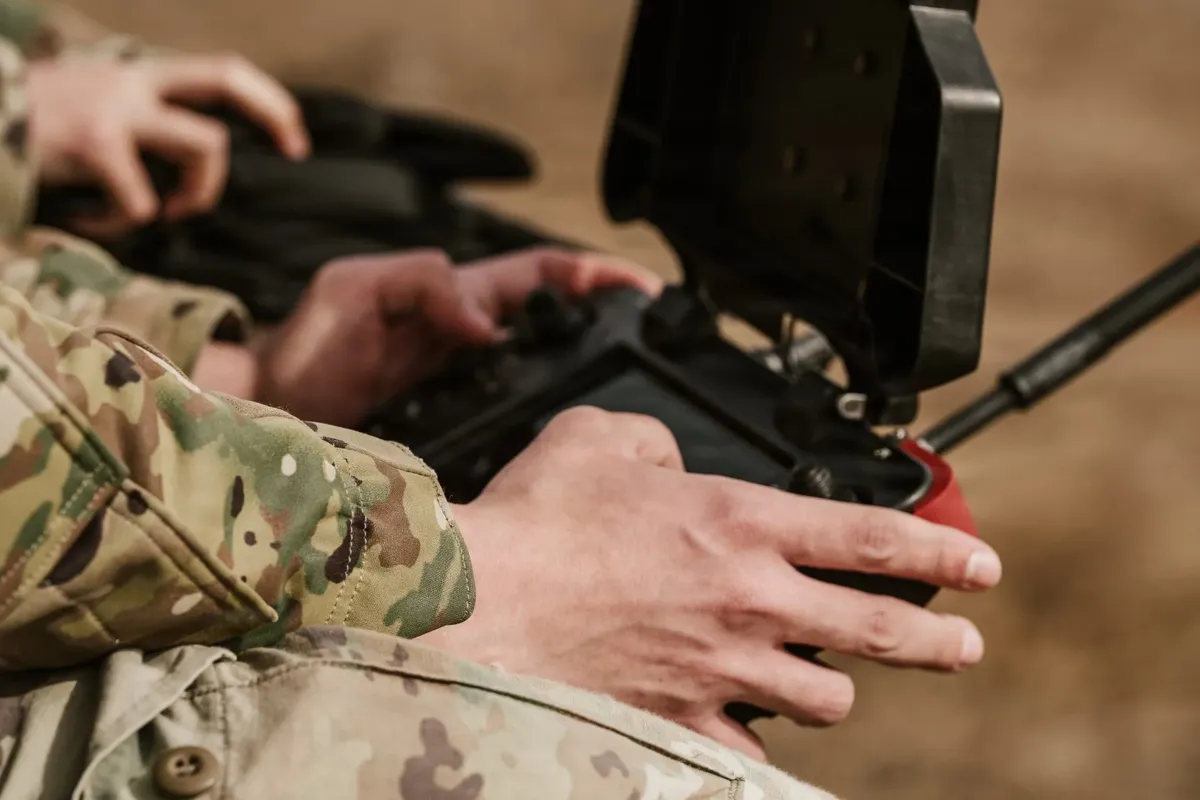
The 40km range threshold is not arbitrary — it's the distance at which a battalion can see a company-sized threat without moving the battalion itself. If this system launches within 10 minutes and flies for 4+ hours, it collapses the decision timeline for dispersed operations.
The risk: if this becomes a Tier 1 Army requirement, it will compete for RDT&E dollars against hypersonic glide bodies and long-range precision fires. AeroVironment and Insitu have existing production lines; a new entrant (Teledyne, Textron, or a dark horse like Shield AI) would need 36+ months to field a production-ready system.
The Army's language — 'close gaps' — suggests this is urgent enough to override normal competition timelines, which means look for a sole-source prototype contract within 6 months.
This is a capability gap statement, not a procurement decision — yet.
The Army is signaling that current battalion-level ISR (likely RQ-7 Shadow and Puma variants) cannot reach beyond 25-30km or launch quickly enough to support dispersed operations. If the Army formally enters competition for this system in FY27, it opens a $1.2B-1.8B market over LRIP.
The timing matters: battalion-level autonomy in reconnaissance directly supports Pacific Command's distributed defense posture against peer threats — the kind of small-unit standoff sensing that survives in a contested environment. Watch whether this becomes a sole-source follow-on to an existing contractor (likely AeroVironment or Insitu) or a true competitive bid.
The former keeps costs flat; the latter drives innovation but delays fielding by 18-24 months.
Has the Army quantified the current gap — how many battalion TOEs lack organic 40km+ ISR, and what does that cost in manned helicopter hours or external drone tasking today? That number determines whether this is a nice-to-have or a readiness driver.
Fault Lines
Strategic intelligence, synthesized daily — with a public track record. Every call graded against what actually happened.