HD Hyundai Selected as Preferred Manufacturer for TerraPower Natrium Reactors
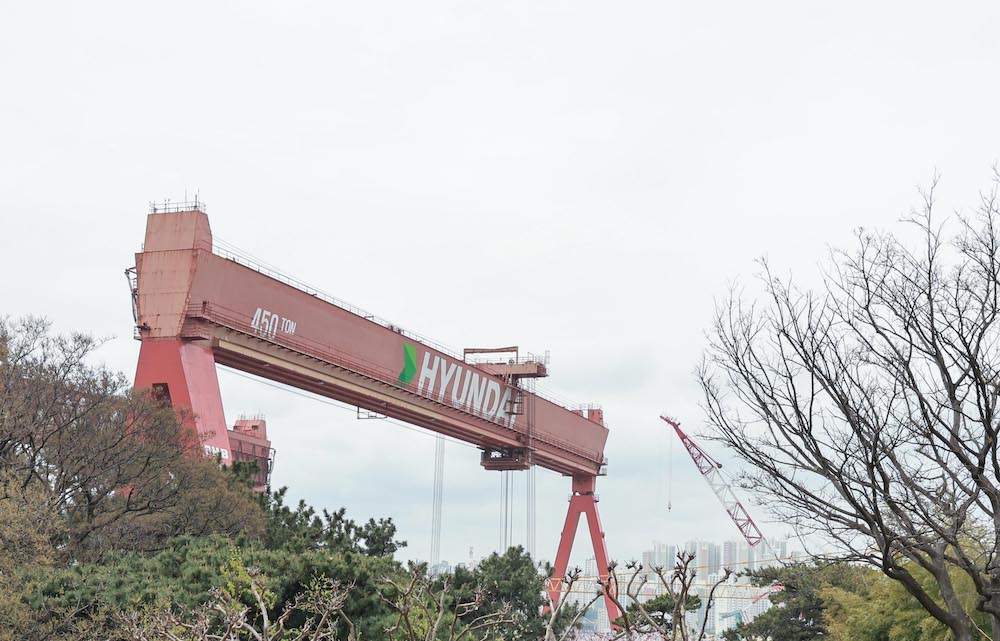
The deal is geopolitically asymmetric. TerraPower gains manufacturing access to one of the world's lowest-cost shipyards (HD Hyundai's labor and overhead structure undercuts European and U.S. competitors by 20-30%, estimated). HD Hyundai gains technology transfer and a foothold in advanced reactor commercialization — but only if the U.S. permits it.
If Commerce Department or CFIUS later restricts Natrium exports or enriched fuel access to South Korea, HD Hyundai's reactor division becomes a stranded asset. Seoul will likely demand government backing (KEXIM loans or direct subsidies) to offset the geopolitical risk, which means Korean taxpayers are now hedging U.S. supply chain policy.
This locks South Korea into the U.S. nuclear supply chain at the exact moment when Seoul is hedging toward Beijing on energy policy — Putin just pressed Xi on Power of Siberia 2, and Korea's LNG import costs are climbing.
HD Hyundai now has a $X-billion (unspecified in source) forward commitment to build Natrium units, which ties their shipyard capacity to American export controls and CFIUS oversight for the next 5-10 years. If the U.S. tightens advanced reactor export rules or restricts Korean access to enriched fuel supply chains, HD Hyundai faces either sunk capex or breach of contract.
Watch whether Seoul's government subsidizes the ramp or demands technology transfer as a condition of support.
What is the contract value and delivery timeline? The article provides neither. Is this a binding purchase agreement or a non-binding framework? How many reactors is HD Hyundai expected to build, and over what period? Without these numbers, the strategic weight is unclear.
Fault Lines
Strategic intelligence, synthesized daily — with a public track record. Every call graded against what actually happened.