Pakistan Airstrikes on Afghan Cities Escalate TTP Sanctuary Dispute Into Open Conflict
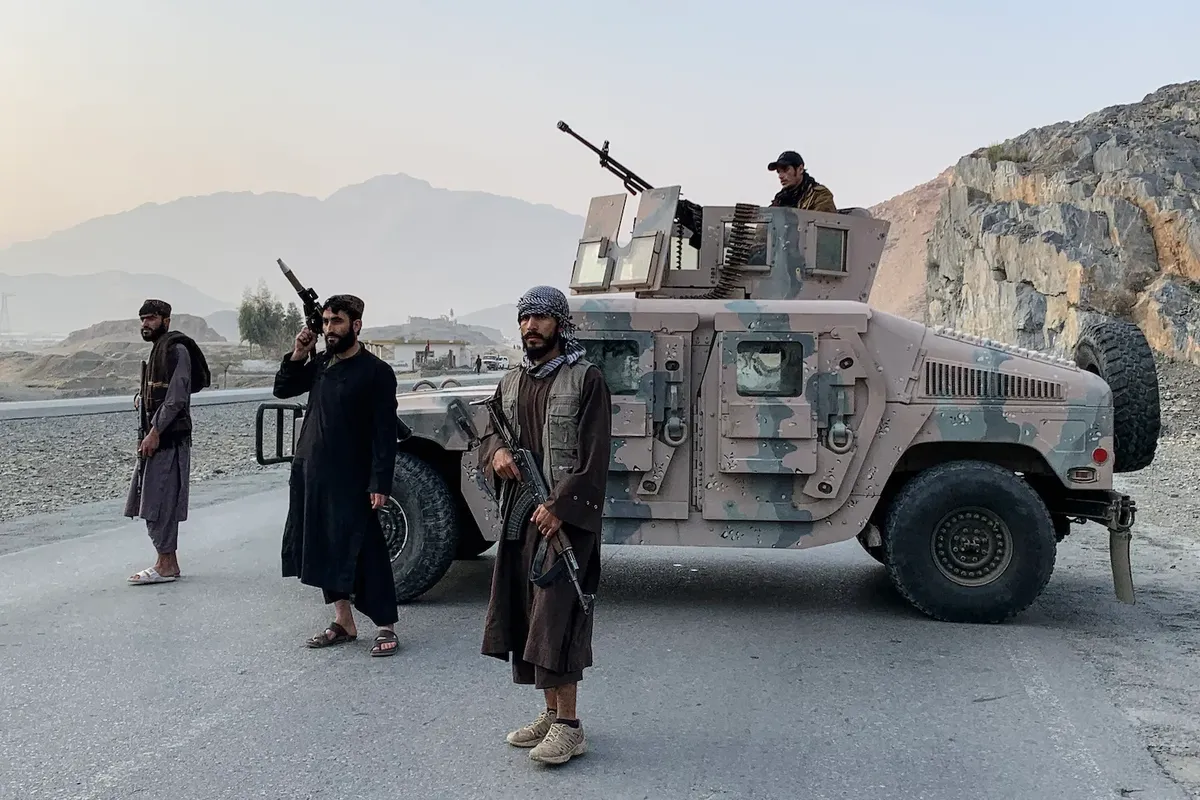
Sustained Pakistan-Afghanistan kinetic conflict directly constrains U.S. intelligence collection and counterterrorism operations that depend on access to Afghan airspace and intelligence-sharing with Pakistani military.
If Pakistan closes airspace or restricts liaison, ISR platform utilization (MQ-9 Reaper, U-2) faces routing delays and reduced dwell time, forcing renegotiation of basing agreements and potentially accelerating shift to space-based collection.
Simultaneously, conflict reduces Afghan government's ability to enforce counterterrorism cooperation, creating ungoverned space where TTP, ISIS-K, and other groups reconstitute — directly opposing stated U.S. counterterrorism objectives and complicating allied force posture planning.
This marks the first major kinetic escalation between two nuclear-armed states over militant sanctuary in over a decade.
If sustained, it forces U.S. Central Command and allied intelligence agencies to reassess stability in a region critical to Afghanistan reconstruction, Pakistan's internal security, and counterterrorism operations. The immediate risk is tit-for-tat strikes triggering broader destabilization; the second-order risk is that either state miscalculates escalation thresholds in a nuclear context.
Defense contractors supporting U.S. counterterrorism or intelligence operations in the region (Palantir, Booz Allen Hamilton, Raytheon ISR platforms) face operational uncertainty if Pakistani airspace becomes contested or if Afghan government capacity to host U.S. assets degrades further.
The article does not specify: which Afghan cities were targeted, estimated casualties or damage, Afghan government's stated response, whether Pakistan issued prior diplomatic warnings, or whether the TTP claimed responsibility for the cross-border attack that triggered the strikes.
Fault Lines
Strategic intelligence, synthesized daily — with a public track record. Every call graded against what actually happened.