CFIUS Blocks Sanan Optoelectronics' $239M Lumileds Acquisition; Second LED Chipmaker Veto in 18 Months
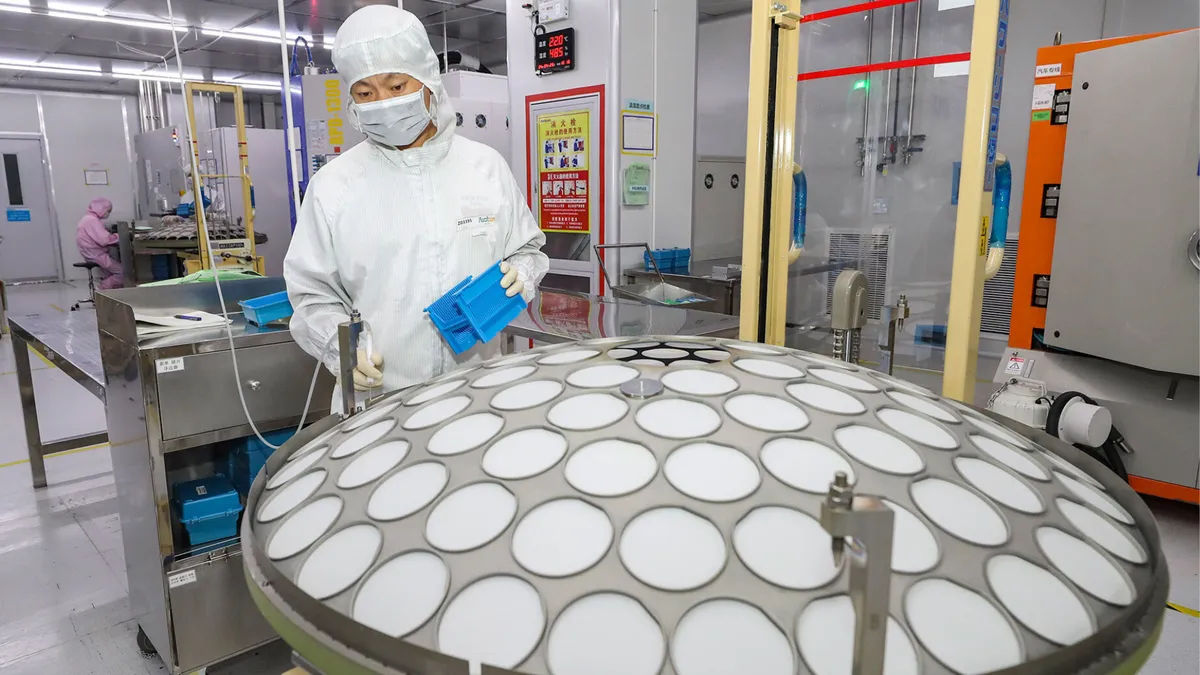
LED chipmaking feeds into electro-optical systems used in precision-guided munitions, airborne targeting pods, and directed-energy weapons. Blocking Chinese consolidation of Lumileds prevents Beijing from gaining control over a supplier chain that feeds Allied defense contractors.
This compounds existing semiconductor export controls — the US and EU now have to source optical components from fragmented, under-resourced suppliers rather than risk single-vendor dependency on Chinese-controlled firms. The second rejection also signals CFIUS is willing to veto deals twice, raising the cost of persistence for Chinese acquirers and discouraging future bids on Allied photonics IP.
CFIUS is now treating LED chipmaking as a dual-use chokepoint — not just for consumer lighting, but for optics in military systems, guidance packages, and infrared countermeasures.
Blocking Sanan twice signals the committee views consolidation of optical manufacturing under Chinese control as a strategic risk, even when the target is European-domiciled. This hardens the precedent: European IP in optical/photonic domains is no longer freely tradeable if the buyer is a Chinese state-adjacent firm.
Lumileds stays fragmented and undercapitalized, which means Allied defense primes dependent on proprietary LED arrays for targeting pods and sensor systems will face either supply constraints or forced qualification of secondary vendors — both expensive and time-consuming.
Does the first Sanan rejection (timing unknown from article) carry the same rationale, or did CFIUS's risk calculus shift between attempts?
Fault Lines
Strategic intelligence, synthesized daily — with a public track record. Every call graded against what actually happened.