CENTCOM Releases Video of Strikes on Iranian Drone Carrier Shahid Bagheri
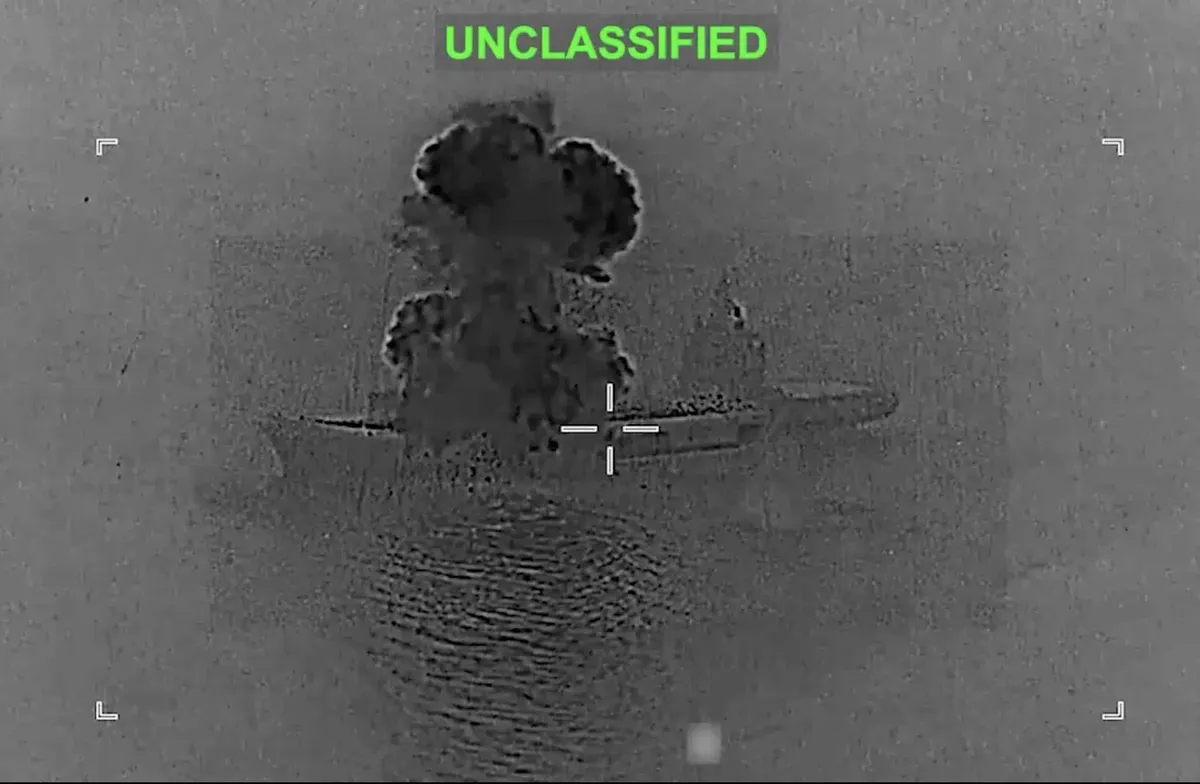
Removal or degradation of the Shahid Bagheri eliminates Iran's primary platform for coordinating drone swarms and sustained maritime reconnaissance in the Gulf, forcing Iranian naval operations to rely on smaller corvettes and submarines.
This directly reduces Iran's ability to conduct the kind of coordinated air-maritime attacks that have characterized the past six days of combat, narrowing Tehran's offensive options and potentially accelerating the timeline toward negotiated settlement or exhaustion of Iran's strike inventory.
This is a documentation event, not a new military action.
CENTCOM's decision to release strike footage during active combat operations signals intent to shape the narrative around Iranian naval losses and demonstrate US strike precision to domestic and allied audiences. The Shahid Bagheri is Iran's only operational drone carrier and a high-value asset; its damage or loss degrades Iran's ability to project power in the Gulf and conduct sustained maritime operations.
However, the article provides no assessment of whether the vessel remained operational, was abandoned, or sank—critical facts for evaluating the actual impact on Iranian naval capability.
The article does not specify the Shahid Bagheri's current operational status, location, or whether it was scuttled, abandoned, or remains under Iranian control. Without this, we cannot assess whether this represents a permanent loss of Iranian naval capacity or a damaged vessel undergoing repair.
Fault Lines
Strategic intelligence, synthesized daily — with a public track record. Every call graded against what actually happened.