Navy Selects 7 MUSV Designs for Prototype Phase; Narrows Field From 20+ Submissions
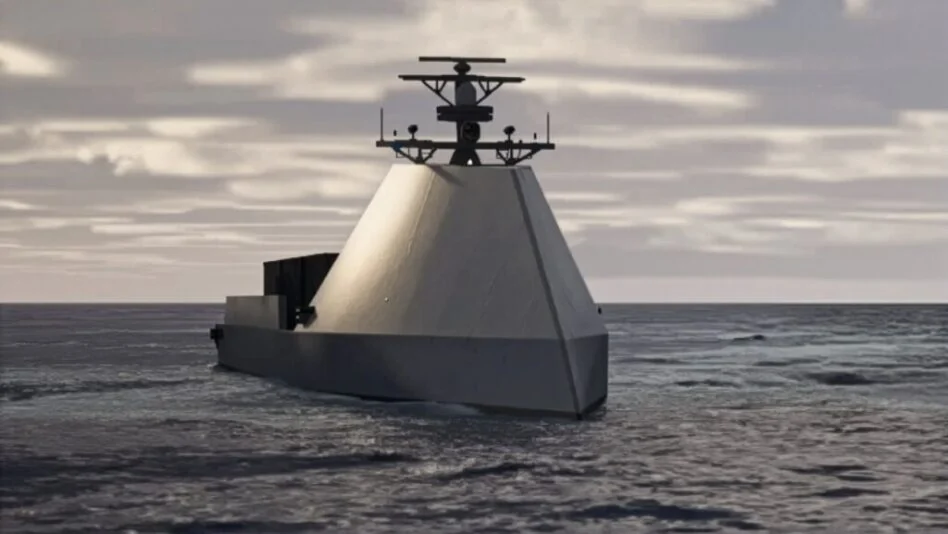
MUSV prototyping is a natural follow-on to the Navy's Overlord and Ranger programs — both of which have struggled with autonomy stack maturity and sensor integration. If the Navy is moving to prototype phase now, it suggests confidence in one or more design approaches, but the article provides no data on timeline-to-decision or production quantity targets.
The absence of named winners is suspicious; typically, DoD announces selected contractors immediately for transparency and to establish baseline schedules. If the Navy is withholding names, either the selection is contested, or the contractors have requested confidentiality (common for firms testing proprietary autonomy software).
This is a procurement gate-pass, not a strategic inflection.
The Navy is filtering a crowded marketplace down to a testable subset — standard practice for experimental platforms. What matters is which primes made the cut and whether any surprise entrants (smaller yards, foreign partners, or nontraditional vendors) landed spots.
The article does not name the seven winners, making it impossible to assess who gains leverage in the autonomous surface vessel market or whether this accelerates or delays fielding timelines.
Watch whether the Navy announces the selected contractors within 30 days — that disclosure will reveal whether incumbents (Huntington Ingalls, General Dynamics, Austal) dominated or whether DARPA-adjacent firms (Ranger, Clearpath, Shield AI) secured slots.
Which seven contractors were selected? The article withholds the names, making competitive analysis impossible. Are these established shipyards, autonomous vehicle startups, or a mix? Does the selection favor AUKUS interoperability (UK/Australian yards) or domestic-only vendors?
Fault Lines
Strategic intelligence, synthesized daily — with a public track record. Every call graded against what actually happened.