US-Israel airstrikes enter third day in Iran; defense procurement timelines face escalation risk
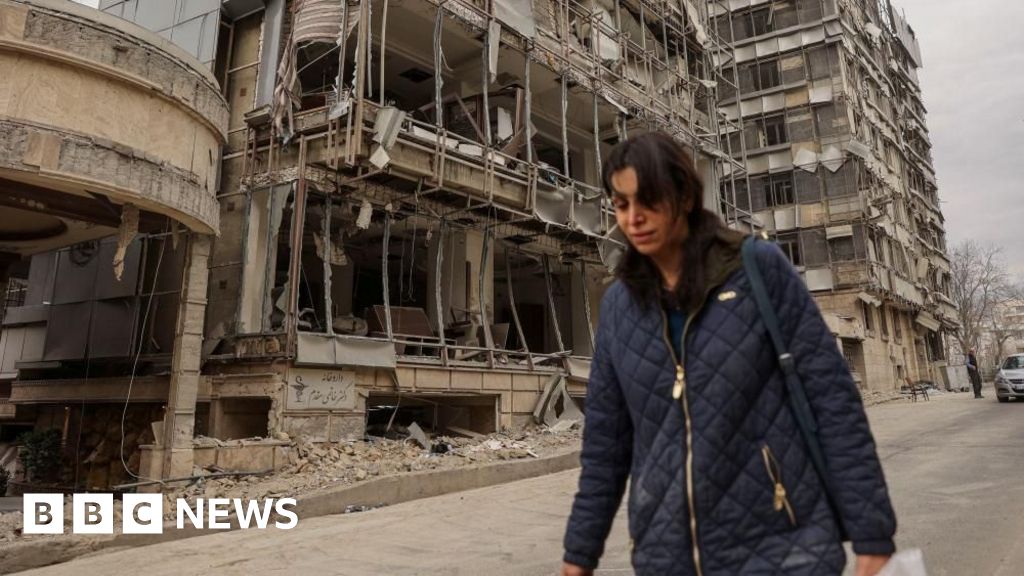
Sustained US-Israel strikes on Iran compress allied air defense inventories in the Middle East, forcing CENTCOM to either reduce Patriot/THAAD coverage in secondary theaters (Gulf of Aden, Iraq, Syria) or accelerate procurement from Raytheon and Lockheed Martin to backfill losses.
Simultaneously, if Iranian air defenses are degraded, the credibility of air defense sales to Gulf allies (Saudi, UAE, Qatar) becomes a market signal — buyers reassess whether older systems (Patriot Block III) are sufficient or whether new-generation systems (THAAD, Integrated Air Defense) are now mandatory, shifting capital allocation toward defense primes and away from other sectors.
Active state-on-state military operations between the US-Israel coalition and Iran create immediate demand signals for air defense systems, precision munitions, and damage assessment platforms across allied procurement pipelines.
Defense contractors with Iran-adjacent exposure (sanctions compliance, supply chain diversification, regional logistics) face operational uncertainty. The escalation's duration and scope remain undefined — if strikes continue beyond 48-72 hours, allied air defense inventories (Patriot, THAAD, Aegis) become a constraint variable for both Middle East posture and Indo-Pacific hedge planning.
If this remains a limited, time-bounded operation, the impact is tactical and inventory-driven; if it expands, it forces NATO and allied force structure reviews.
The article does not specify: (1) which targets were struck or their strategic category (nuclear, military industrial, air defense, energy); (2) reported damage or operational status of Iranian air defenses; (3) US/Israeli munition expenditure rates or resupply timelines; (4) whether strikes are com...
Fault Lines
Strategic intelligence, synthesized daily — with a public track record. Every call graded against what actually happened.