Marine Corps Eyes Army MV-75 as AH-1Z Replacement; Attack Helo Consolidation Narrows Vendor Field
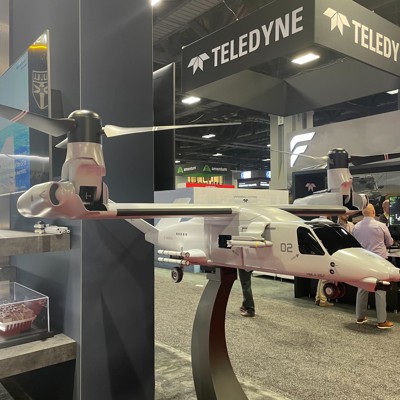
Service consolidation on a single attack platform reduces total program cost but concentrates risk on one vendor and one design. If the MV-75 succeeds, Bell captures both Army and Marine attack helicopter demand, reducing competitive pressure and potentially raising sustainment costs post-LRIP.
If it fails, both services lose years of recapitalization time—a problem if contested operations in the Pacific require higher rotorcraft density sooner.
This is a consolidation play, not a new capability.
If the Marines adopt the MV-75, Bell wins a second large customer and locks out competitors (Boeing's AH-6i, Sikorsky's alternatives) from a replacement program worth billions over the platform's lifecycle. The Army already committed to the MV-75 for its FARA requirement; a Marine variant multiplies production volume and drives unit costs down for both services.
The downside: service-specific customization delays consolidation, and if the MV-75 stumbles on Army testing, the Marines inherit the risk. Absent a formal Marine Corps requirement document or a line item in the FYDP, this is still vendor positioning—but it's the kind that shapes RFP language.
Has the Marine Corps formally tasked a replacement study for the AH-1Z, or is this Bell capitalizing on aging airframe concerns without a funded requirement yet? If unfunded, this signal collapses to marketing.
Fault Lines
Strategic intelligence, synthesized daily — with a public track record. Every call graded against what actually happened.