Ukrainian Drones Strike Russian Fuel Terminal at Gulf of Finland as SPIEF Opens
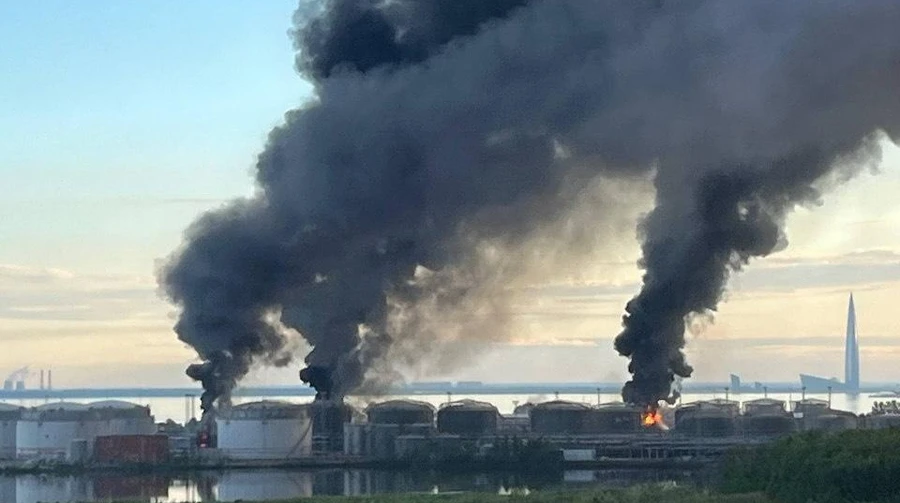
The timing — during SPIEF's opening — is deliberate. Ukraine is using drone strikes to undermine Moscow's ability to host a credible economic forum and attract capital; every strike reinforces that Russia cannot guarantee secure infrastructure.
This compounds the effect of the EU's $44/barrel Russian oil price cap (held steady on June 1 per recent Fault Lines reporting) and the broader sanctions squeeze on Moscow's energy revenues. If Petersburg is offline for weeks, Russian refineries and heating oil supplies face rationing pressure heading into autumn — forcing Moscow to choose between civilian heating and military fuel allocation.
Russia's energy export capacity faces sustained degradation at a moment when Moscow is trying to project economic normalcy and attract foreign investment to SPIEF — a signal that Ukraine can disrupt Russian strategic messaging and revenue streams simultaneously.
The Petersburg Oil Terminal supplies fuel to northwestern Russia and serves as a transshipment hub; each strike compounds the logistics burden Moscow faces in replacing lost capacity. Watch for Russian responses targeting Ukrainian energy infrastructure or civilian logistics in the coming 72 hours — retaliation cycles have accelerated since the three-month US-Iran escalation began in early June.
What percentage of the Petersburg terminal's throughput was offline post-strike, and for how long? The article doesn't specify damage assessment, which determines whether this is a temporary disruption or a structural hit to Russian fuel distribution.
Fault Lines
Strategic intelligence, synthesized daily — with a public track record. Every call graded against what actually happened.