Germany's Defense Minister Pitches 212CD Submarine Deal to Canada; Frames as Transatlantic Integration
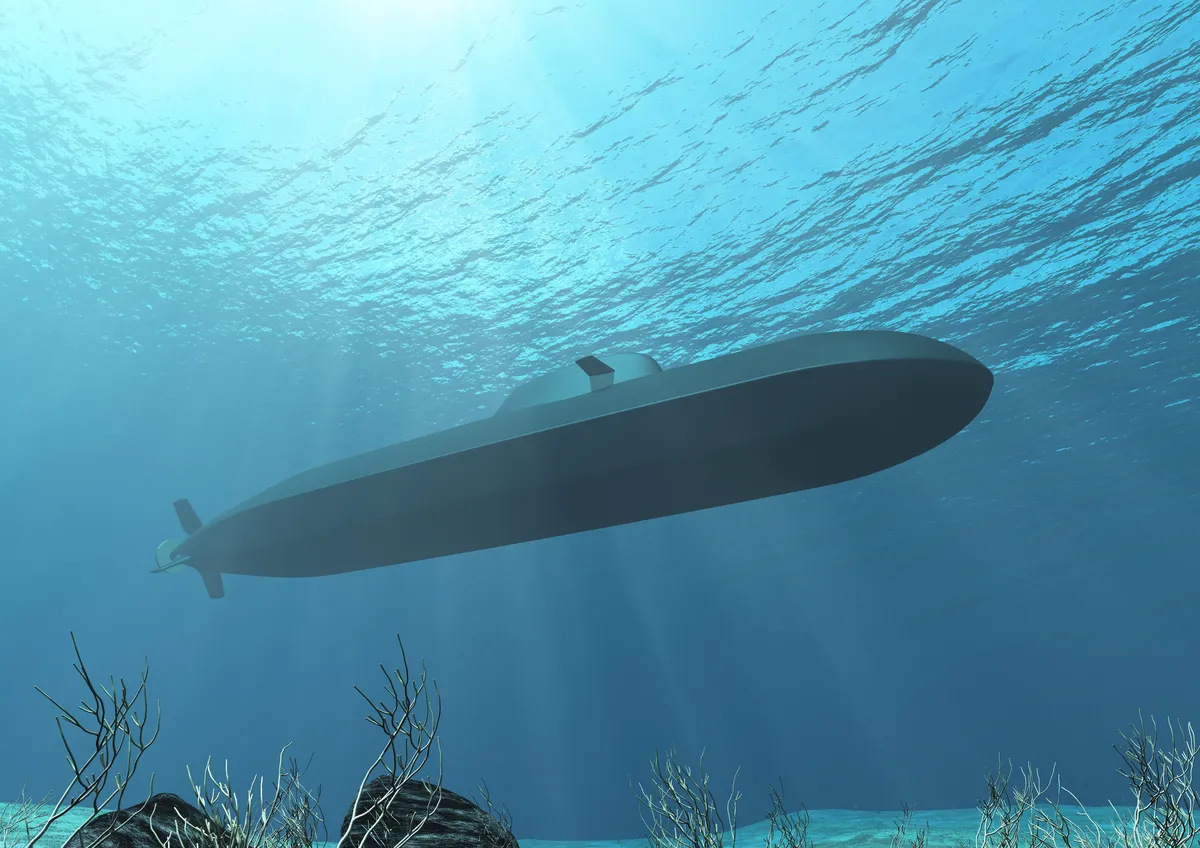
Germany is betting that framing submarine selection as a transatlantic integration play will overcome Canada's natural preference for Virginia-class commonality with the US Navy and AUKUS partners. If this fails, ThyssenKrupp's export pipeline narrows to Germany, Italy, and Greece — a much smaller addressable market.
Success would give Germany a foothold in North American naval industrial policy and create pressure on the UK to justify why Astute remains the AUKUS standard if Canada picks German steel.
Canada's submarine selection directly constrains which allied industrial base expands and which stalls.
If Canada chooses the 212CD, ThyssenKrupp Marine Systems gains a second major NATO customer outside Germany — a validation that unlocks Canadian co-production negotiations and justifies capital investment in North American supply chain nodes. If Canada selects Virginia-class or Astute instead, the German bid fails and Germany loses leverage in the broader AUKUS-adjacent procurement ecosystem.
The decision timeline is compressed: Canada needs operational boats within 8-10 years to replace aging Victoria-class hulls, which means contract signature by 2027 at latest. Germany's personal ministerial engagement signals this is a make-or-break moment for ThyssenKrupp's export strategy.
Has Canada's procurement office actually shortlisted the 212CD, or is Germany making a pitch to a decision already leaning toward US or UK designs? What is the stated timeline for Canada's final selection?
Fault Lines
Strategic intelligence, synthesized daily — with a public track record. Every call graded against what actually happened.