Netanyahu Defies Trump Directive; Israel Continues Unilateral Strikes on Iranian Energy Infrastructure
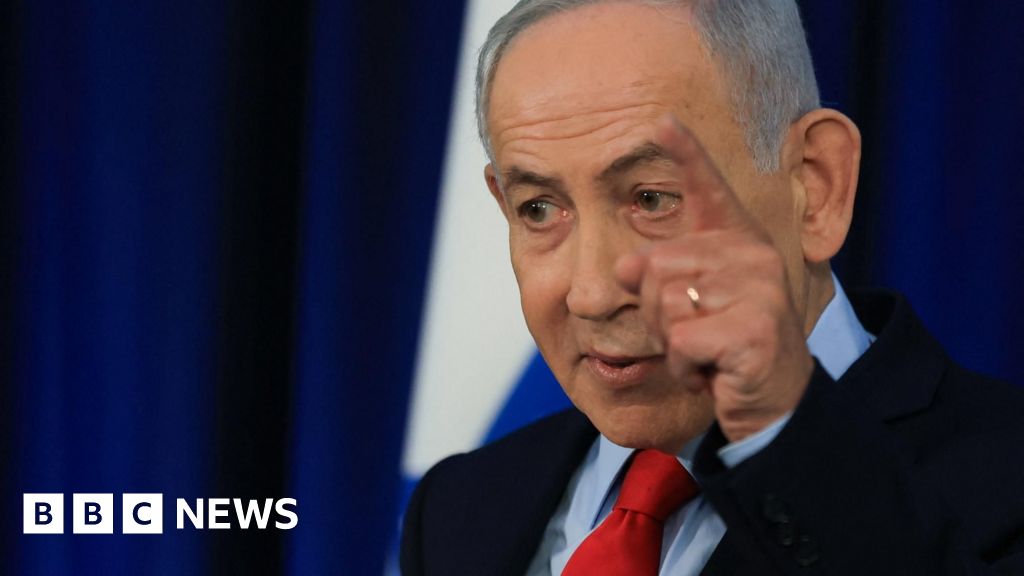
Netanyahu's unilateral strike on South Pars (world's largest gas field, shared Iran-Qatar) occurs 24 hours after Iran struck Qatar's Ras Laffan LNG facility and the US struck South Pars itself. Israel's willingness to act without Trump clearance suggests the strike sequence is now driven by Israeli threat assessment, not US operational planning.
This decoupling creates two risks: (1) a strike Israel judges necessary but Trump judges diplomatically costly could trigger unplanned US escalation to support an ally, or (2) a strike could occur that the US cannot credibly deny, forcing Trump to either disown Israel publicly or absorb reputational cost.
This reveals a fracture in US-Israel operational coordination at the moment of maximum escalation.
Trump has committed to 'no end date' for the Iran war (per Hegseth, March 19), yet Netanyahu's public acknowledgment that he defied a Trump directive signals Israel is not awaiting US approval before targeting Iranian energy infrastructure.
This matters because it removes a potential brake on further strikes: if Israel is willing to strike critical energy nodes unilaterally, the next target set (nuclear facilities, refineries, additional LNG hubs) is not constrained by Washington's tactical preferences.
For defense contractors, this means US-Israel strike planning is decoupled — Lockheed and RTX cannot assume their systems are being used within a unified operational framework. For policy, it indicates either Trump's authority over Israeli operations is weaker than stated, or Trump's 'no end date' commitment masks disagreement on targeting scope.
The article does not specify what Trump's original request was — did he ask Israel to cease all strikes, limit targeting to military sites only, or pause pending diplomatic contact?
Fault Lines
Strategic intelligence, synthesized daily — with a public track record. Every call graded against what actually happened.