UK Signals Hormuz Escort Mission; Allied Naval Presence Enters Blockade Response Phase
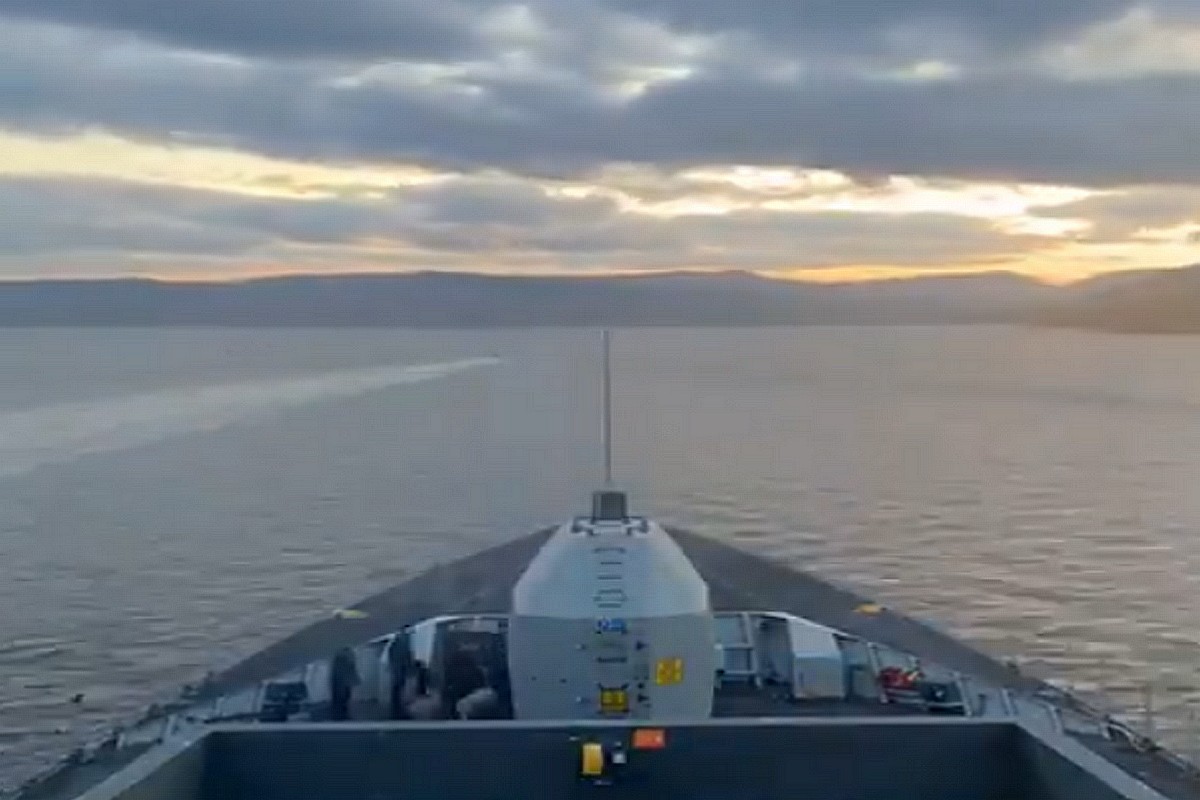
The UK escort announcement operationalizes the energy war already underway — Iran struck Ras Laffan LNG (March 19) and South Pars gas field (March 18), collapsing Qatar and UAE exports. A UK-led escort mission converts these strikes from one-way attacks into a two-sided naval competition for control of the chokepoint, forcing allied navies to maintain frigate and minesweeper presence in the Gulf for weeks or months.
This extends the conflict's duration beyond air strikes into sustained logistics operations, which will strain allied surface combat readiness and create procurement urgency for escort-capable vessels in allied navies (particularly for the UK, Australia, and France, which have limited frigate inventories).
This is the first allied naval response signal to Iran's Hormuz closure.
It converts a unilateral Iranian blockade into a potential convoy escort operation, raising the risk of direct naval contact between Iranian and allied forces. The UK move signals that the Strait of Hormuz — which has been at near-zero transit since March 18 — is now a contested chokepoint requiring armed protection, not a negotiable closure.
If escort operations commence, they will require sustained surface combat capability in a confined waterway where Iran maintains anti-ship missiles, mines, and fast-attack craft. This directly affects energy markets (LNG bottleneck extends from Qatar/UAE into European and Asian buyers) and naval procurement (allied navies will need to justify escort frigate availability to domestic budgets).
The critical variable is whether the US joins the escort mission or limits support to intelligence/air cover — that determines whether this becomes a NATO operation or a UK-led coalition, and thus whether Russia or China perceive this as NATO expansion into their strategic interest zones.
The article does not specify which allied partners are included, what naval assets are being committed, whether the US is participating, or what rules of engagement apply to Iranian vessels and aircraft in the Strait.
Fault Lines
Strategic intelligence, synthesized daily — with a public track record. Every call graded against what actually happened.