Lockheed Delivers Second ASEV Radar Shipset to Japan; Indo-Pacific Air Defense Acceleration Continues
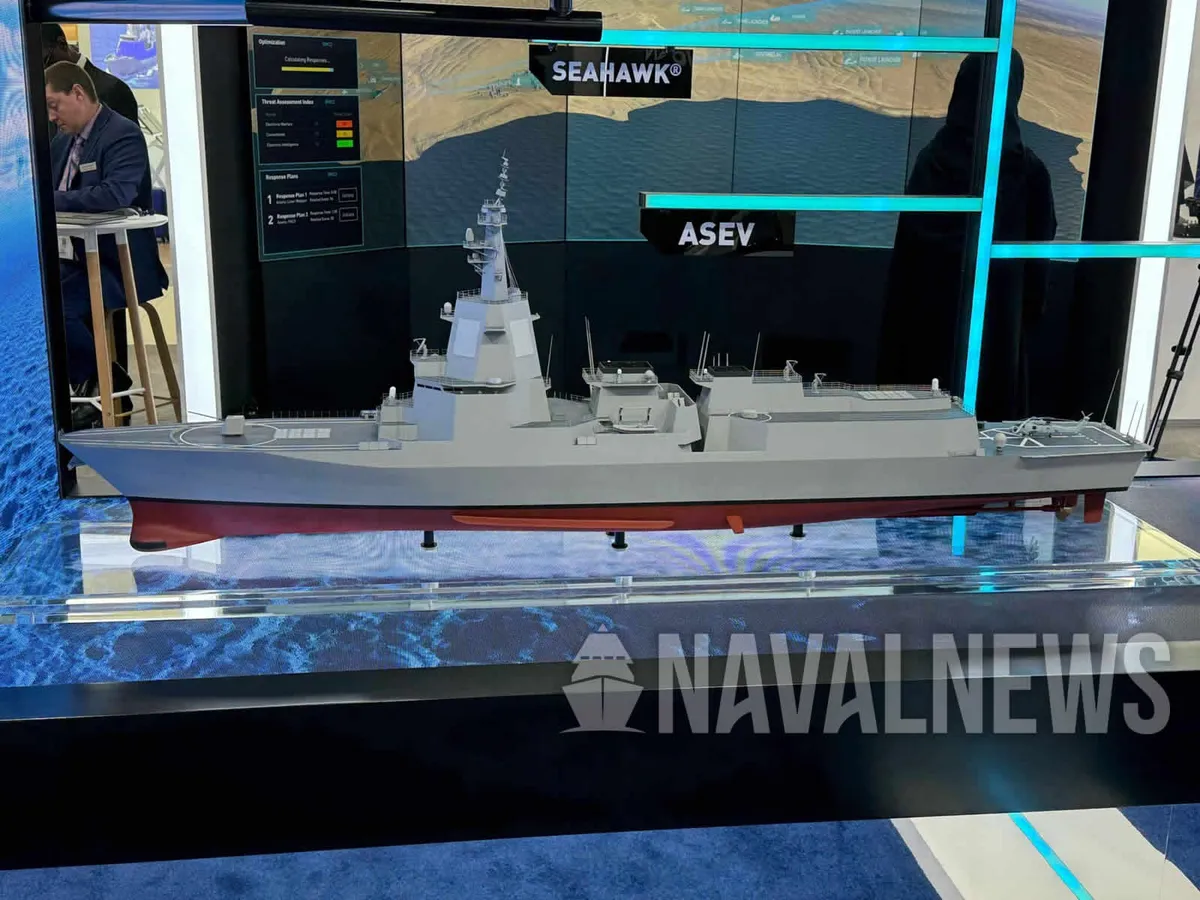
Japan's radar acceleration directly affects Taiwan contingency planning. If ASEV integration completes by Q4 2026, Japan gains persistent surveillance of the Taiwan Strait and Chinese air activity across the Ryukyu Islands — forcing Beijing to assume Japanese early warning in any cross-strait operation and extending US reaction time.
Conversely, if integration delays past 2027, Japan's air defense posture remains fragmented during the window when China's missile inventory is growing fastest, creating a deterrence gap that could invite miscalculation.
Japan is accelerating air defense modernization against China's expanding missile and drone inventory.
The AN/SPY-7(V)1 is a phased-array radar designed for ballistic missile detection and tracking in contested environments. Two shipsets delivered in rapid succession suggests Japan is prioritizing radar coverage density — likely to support multiple Aegis destroyers simultaneously. This is incremental progress on a known program, not a strategic surprise.
The real question is deployment timeline: if these radars are operationally integrated within 12 months, Japan gains real-time coverage of the East China Sea approaches. If integration slips, the hardware becomes strategic inventory sitting in warehouses.
The article does not specify: (1) which Japan Maritime Self-Defense Force vessels will receive these radars, (2) expected integration and operational readiness dates, (3) total program cost or remaining shipsets on contract, or (4) whether this accelerates or maintains the original JMOD modernizatio...
Fault Lines
Strategic intelligence, synthesized daily — with a public track record. Every call graded against what actually happened.