France Releases Russian Tanker After Fine, Signaling Enforcement Limits on Shadow Fleet
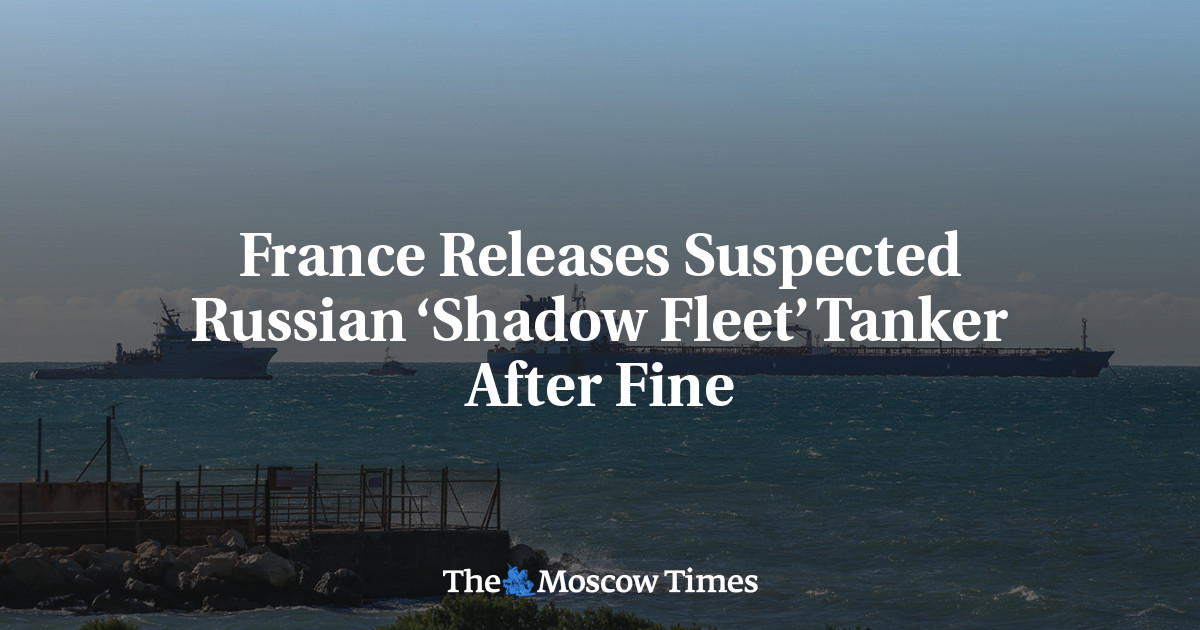
Shadow fleet enforcement directly constrains Russian oil export revenue and, by extension, state military spending capacity. If France's fine-and-release approach becomes the allied standard, Russian operators face only marginal cost increases, allowing continued oil sales at near-market prices—reducing the economic pressure that underpins the price-cap regime.
Conversely, if this is a French outlier and UK/Norwegian boarding patterns remain more punitive, the inconsistency creates arbitrage opportunities for operators, forcing them to route through lower-enforcement zones rather than consolidating enforcement into a binding constraint.
This signals that EU/French enforcement against Russia's shadow fleet—the aging, uninsured tankers circumventing oil price caps—remains inconsistent and low-friction.
A fine-and-release pattern, if sustained, suggests enforcement is a compliance cost rather than a blocking mechanism, reducing the operational risk for operators and Russian energy exporters. The critical unknown is whether France's action reflects EU policy consensus or a unilateral choice; if the former, it weakens the price-cap coalition; if the latter, it exposes fractures in allied enforcement.
Watch whether this tanker (or others released similarly) resumes service and completes sanctioned cargo movements.
The article does not specify the fine amount, the tanker's flag state or operator, whether cargo was seized or transferred, whether this reflects EU or French-only policy, or whether other allied partners (UK, Norway) are enforcing differently on the same routes.
Fault Lines
Strategic intelligence, synthesized daily — with a public track record. Every call graded against what actually happened.