BAE Systems Quadruples THAAD Seeker Production Under 7-Year DoD Contract
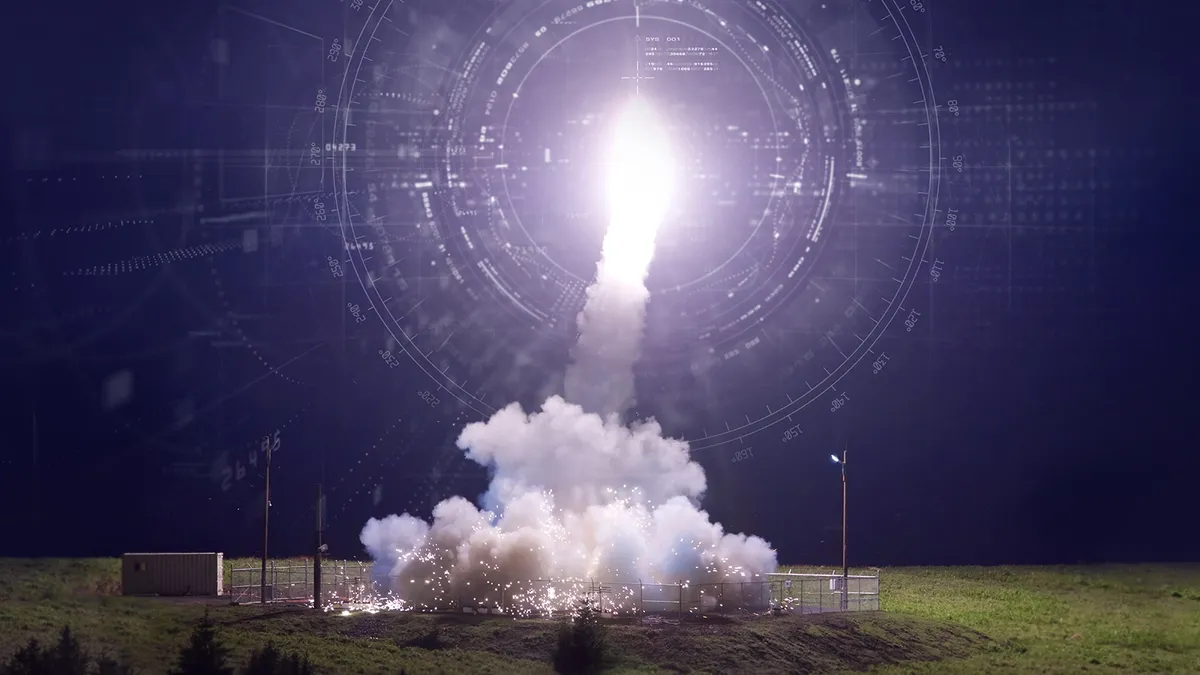
THAAD seeker availability now constrains the rate at which the U.S. can restock interceptor inventories consumed in the Iran campaign (documented in prior signals: B-2 strikes on IRGC compounds, Israeli airstrikes on Iranian infrastructure, Iranian missile strikes on Saudi Jubail).
If BAE's expanded capacity cannot match consumption rates through mid-2027, air defense munition shortages will force trade-offs between theater resupply and homeland strategic reserve, directly affecting Pacific Command contingency planning for Taiwan scenarios.
Conversely, if capacity exceeds current demand, BAE's margin profile improves but signals DoD expects either prolonged Iran operations or a structural shift to higher peacetime air defense readiness postures.
This procurement surge directly responds to the current Iran campaign's ammunition consumption and signals sustained U.S. commitment to air defense inventory replenishment across the Middle East and allied regions.
THAAD seekers are dual-use critical components; expanded BAE production capacity locks in supply for both immediate theater demand and strategic reserve rebuilding. However, the signal's value depends on whether this expansion is temporary surge capacity (matching current conflict consumption) or structural (anticipating sustained higher operational tempo).
If the latter, it indicates DoD planning for prolonged Iran containment or expanded regional air defense architecture — materially different from a one-time wartime acceleration.
The article does not disclose: current annual THAAD seeker production baseline, total contract value, delivery schedule milestones, whether this is a sole-source award or competitive, or whether this capacity will support U.S. systems only or allied air defense networks (Saudi, UAE, Israel, Poland)...
Fault Lines
Strategic intelligence, synthesized daily — with a public track record. Every call graded against what actually happened.