Texas Sues TP-Link Over Alleged Chinese Government Access to Routers
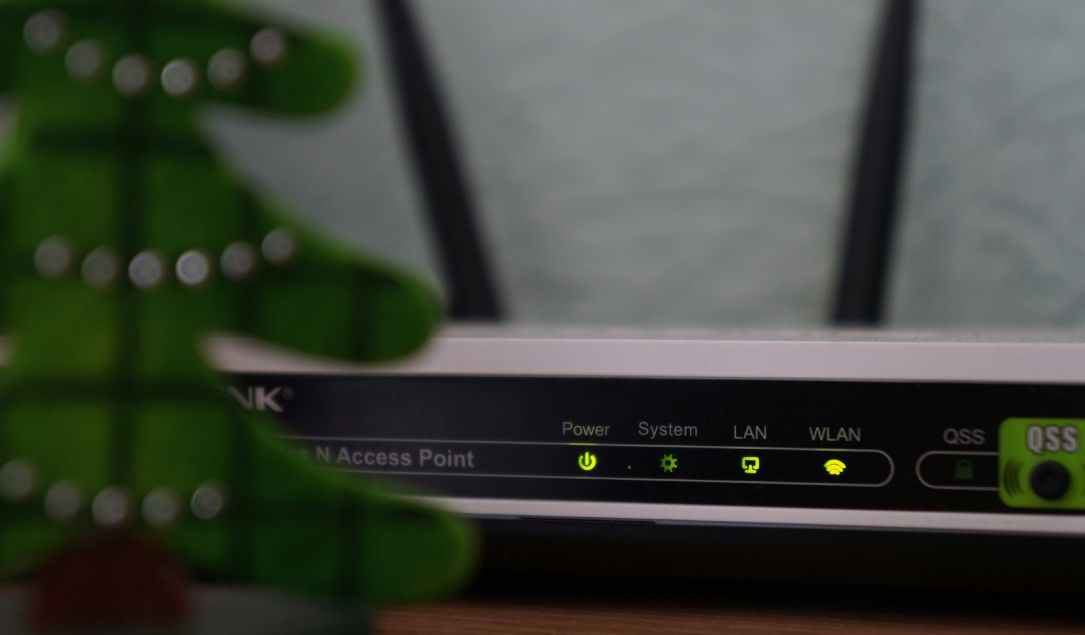
A successful suit would shift cybersecurity enforcement from federal export controls (Commerce, Treasury) into state consumer protection law, creating fragmented liability rules that force manufacturers to either harden products globally or exit the U.S. market entirely.
This bypasses the need for federal legislative action on foreign-owned telecom equipment, but introduces regulatory arbitrage risk — companies may comply with Texas standards but ignore weaker enforcement in other states.
If the allegations survive pleading challenges, this could establish a legal precedent holding consumer networking equipment manufacturers liable for government-enabled backdoors — a category that includes routers, switches, and modems deployed across U.S. critical infrastructure, enterprise networks, and residential broadband.
TP-Link controls an estimated 30% of the U.S. residential router market. A successful state-level suit creates pressure on federal regulators (FCC, CISA) to mandate security standards or restrict imports, and signals Texas's willingness to use antitrust/consumer protection law as a substitute for federal export controls.
However, the suit's viability depends on proving (1) intentional design choice rather than negligent vulnerability, and (2) that TP-Link knew of and facilitated Chinese government access — a high bar in civil court. The outcome will determine whether state AGs can unilaterally impose cybersecurity liability on manufacturers, or whether this remains a federal/regulatory domain.
The article does not disclose what specific vulnerability or access method is alleged, whether the alleged Chinese government access has been documented by U.S. intelligence or CISA, whether TP-Link has been given notice or opportunity to respond, or what remedies Paxton seeks (damages, injunction,...
Fault Lines
Strategic intelligence, synthesized daily — with a public track record. Every call graded against what actually happened.