Iran War Cuts Helium Supply to Chipmakers; Semiconductor Cost Pressure Spreads
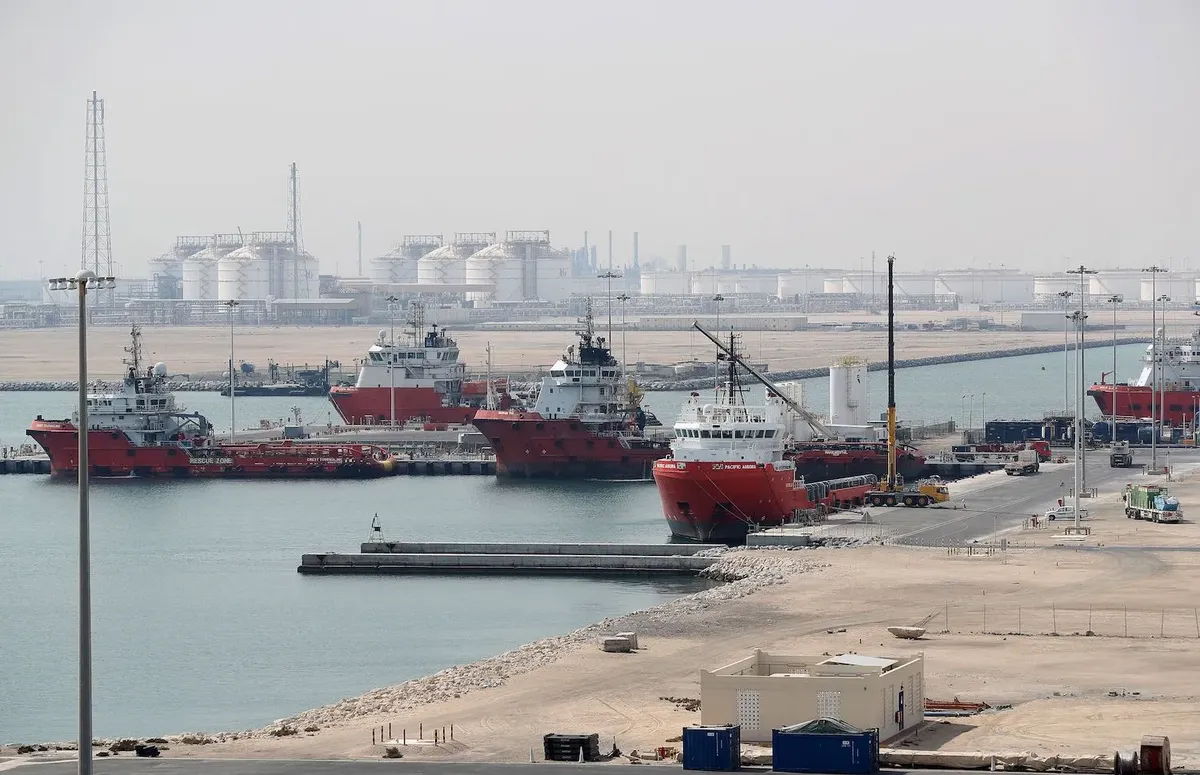
Helium scarcity cascades into semiconductor cost structures, which directly affects the AI infrastructure capex race between US tech primes and Chinese competitors. If helium costs rise 15-30% (typical for supply shocks in rare inputs), fab margins compress — forcing chipmakers to either pass costs to customers (raising AI training costs) or defer capacity expansion.
The US blockade on Iranian shipping (April 24) and Iranian strikes on PCB infrastructure (April 27) are now part of a single supply-chain shock, not separate events. This tightens the window for Intel, TSMC, and Samsung to lock in helium contracts before prices spike further.
Helium is a non-substitutable input for semiconductor fab cooling and cryogenic applications — you cannot work around it.
If Persian Gulf helium supply is genuinely constrained by the Iran war, semiconductor manufacturers face either higher input costs or production delays. This adds to existing supply-chain fractures already visible in the current signal set: the Iranian strike on the PCB base-material complex (April 27) and the DoD blockade on Iranian shipping (April 24) are now part of a broader supply-chain squeeze.
The question is whether helium scarcity will force TSMC, Samsung, or Intel to negotiate helium sourcing through alternative suppliers (Australia, Russia, US extraction) — each with its own geopolitical or cost penalties. No major chipmaker has publicly flagged helium as a constraint yet, which suggests either they have hedged supply or the disruption hasn't hit production schedules. That gap matters.
Has any fab actually reduced production or increased helium procurement costs in response to Persian Gulf supply risk, or is this a forward-looking supply-chain analysis without yet-visible manufacturing impact?
Fault Lines
Strategic intelligence, synthesized daily — with a public track record. Every call graded against what actually happened.