Ukrainian Drone Strikes Halt Russian Advance for First Time in 27 Months; Logistics Collapse Suspected
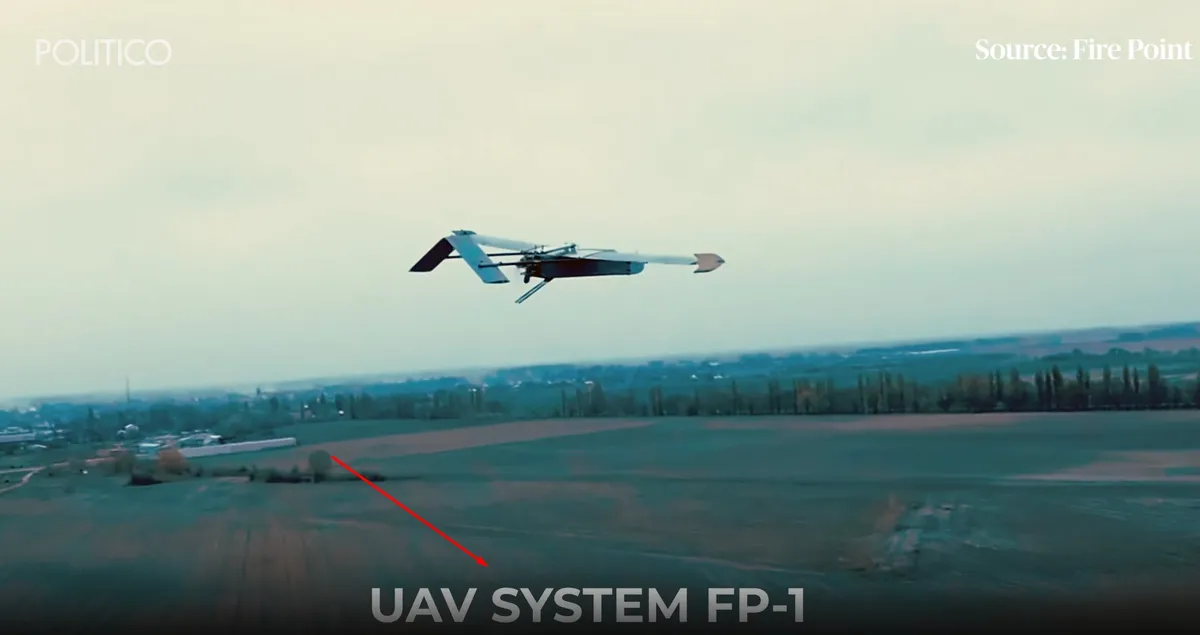
Ukraine's energy weapon strategy (drone strikes on refineries) is now producing measurable tactical effect on Russian ground forces, shifting the conflict from attrition to supply-constraint. This accelerates NATO procurement toward loitering munitions and counter-drone systems while reducing demand for manned air platforms — a $50B+ reallocation across Raytheon, Northrop, and smaller autonomy vendors.
Simultaneously, if Russia escalates strikes on Ukrainian civilian energy, NATO's logistics footprint in Poland and Romania deepens, converting a proxy conflict into a direct-support operation that narrows the escalation buffer.
If confirmed, this marks a tactical inflection — not a Russian collapse, but a transition from attrition-driven stalemate to supply-constrained retreat.
Ukrainian drone strikes on Russian refineries (April peak per prior signal) are now producing measurable effect on forward unit cohesion, not just rear-area pain. This matters for NATO procurement: if Ukraine's drone strategy is working, allied air defense spending shifts from manned platforms toward loitering munitions and counter-drone systems.
Raytheon and Northrop will see SHORAD contracts accelerate while manned fighter production steadies. The second-order risk: if Russia responds with escalated strikes on Ukrainian energy infrastructure, winter 2026-27 becomes a humanitarian and industrial crisis that pulls NATO into direct logistics support — and that triggers Article 5 questions.
What specific Russian units retreated, and over what distance? Euromaidan Press doesn't name formations or grid coordinates — only that retreat occurred. Without unit-level detail, we can't assess whether this is a local tactical withdrawal or a sector-wide collapse.
Fault Lines
Strategic intelligence, synthesized daily — with a public track record. Every call graded against what actually happened.