Ukraine Destroys 40+ Russian Air Defense Units in 48 Hours; April Toll Reaches 38
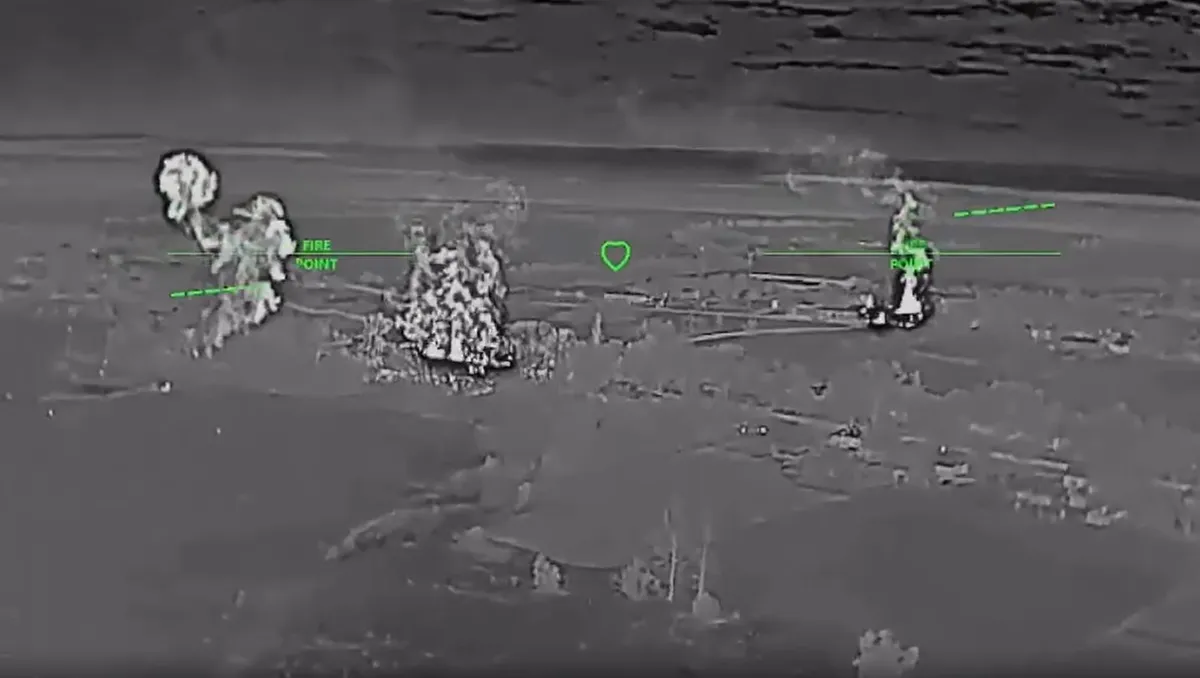
Sustained air defense attrition forces Russia to choose between protecting rear areas (logistics, command posts, fuel depots) or forward positions. If Russia prioritizes the front, Ukrainian long-range drone strikes on supply lines accelerate, compressing the timeline for Russian ground advances.
If Russia pulls air defense rearward, Ukrainian aircraft and Western-supplied munitions gain operational space over forward positions, directly enabling Ukrainian counterattacks. Either choice degrades Russian operational tempo.
Ukraine is systematically degrading Russia's integrated air defense network at a rate that outpaces replacement.
Forty air defense units in five weeks suggests Russian IADS coverage is contracting faster than Moscow can reconstitute it. If this pace holds, Russia faces a choice: accept deepening vulnerability to Ukrainian strikes and Western air support, or divert already-stretched resources from the ground campaign.
Pantsir and Tor systems are not interchangeable — losing both short-range and medium-range layers simultaneously creates gaps that Ukrainian drone swarms are designed to exploit. The SBS commander's public reporting of these numbers indicates Ukraine has confidence in the trend and wants NATO to know the air defense picture is shifting.
Are these 40 units confirmed destroyed (wreckage, SIGINT, overhead) or reported as destroyed by Ukrainian operators? The confidence level in the damage assessment directly affects whether this represents actual air defense depletion or Ukrainian-optimistic claims.
Fault Lines
Strategic intelligence, synthesized daily — with a public track record. Every call graded against what actually happened.