NASA Identifies Procedural Failures in Starliner Mission, Signals Tighter Commercial Crew Oversight
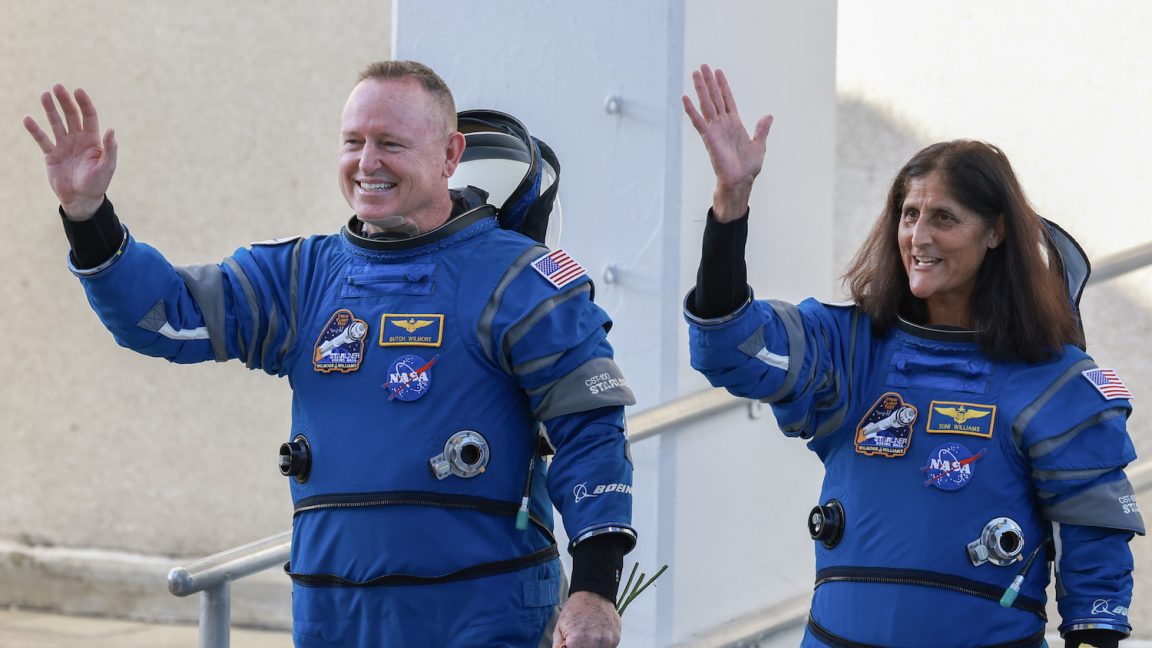
Type A classification forces NASA to tighten its human spaceflight gate criteria, which will delay Boeing Starliner crewed rotations and increase reliance on SpaceX Dragon for ISS crew transport.
This shifts procurement momentum toward SpaceX in the near term (2026–2027) while Boeing absorbs investigation and remediation costs, narrowing Boeing's competitive position in the only operational U.S. crewed spacecraft market. If Boeing's corrective actions extend beyond 2026, SpaceX's Dragon becomes the de facto sole provider for ISS crew, concentrating single-point-of-failure risk in one contractor.
This classification forces a recalibration of NASA's commercial crew certification model.
A Type A mishap on a human spaceflight mission triggers mandatory corrective action protocols and heightened scrutiny of Boeing's remaining Commercial Crew Program (CCP) flights. The finding that the failure was procedural—not hardware—implicates NASA's own gate reviews and risk acceptance thresholds, not just Boeing's engineering.
This creates three consequences: (1) delays to future Starliner crewed missions pending investigation closure and corrective action implementation; (2) potential acceleration of SpaceX Dragon rotation schedules to maintain ISS crew continuity, shifting near-term launch cadence; (3) pressure on Boeing to demonstrate procedural robustness in parallel to hardware fixes, extending the timeline for return to regular CCP operations.
The specific gap—whether this triggers contract penalties, schedule delays, or only process changes—determines Boeing's near-term P&L exposure and affects NASA's ISS staffing plans.
The article does not specify whether NASA is imposing schedule delays, contract penalties, or only requiring procedural corrective actions. The scope and cost of remediation remain undefined.
Fault Lines
Strategic intelligence, synthesized daily — with a public track record. Every call graded against what actually happened.