Ukraine Convenes US Talks in Miami Without Russia; Endgame Negotiations Lack Confirmed Timeline
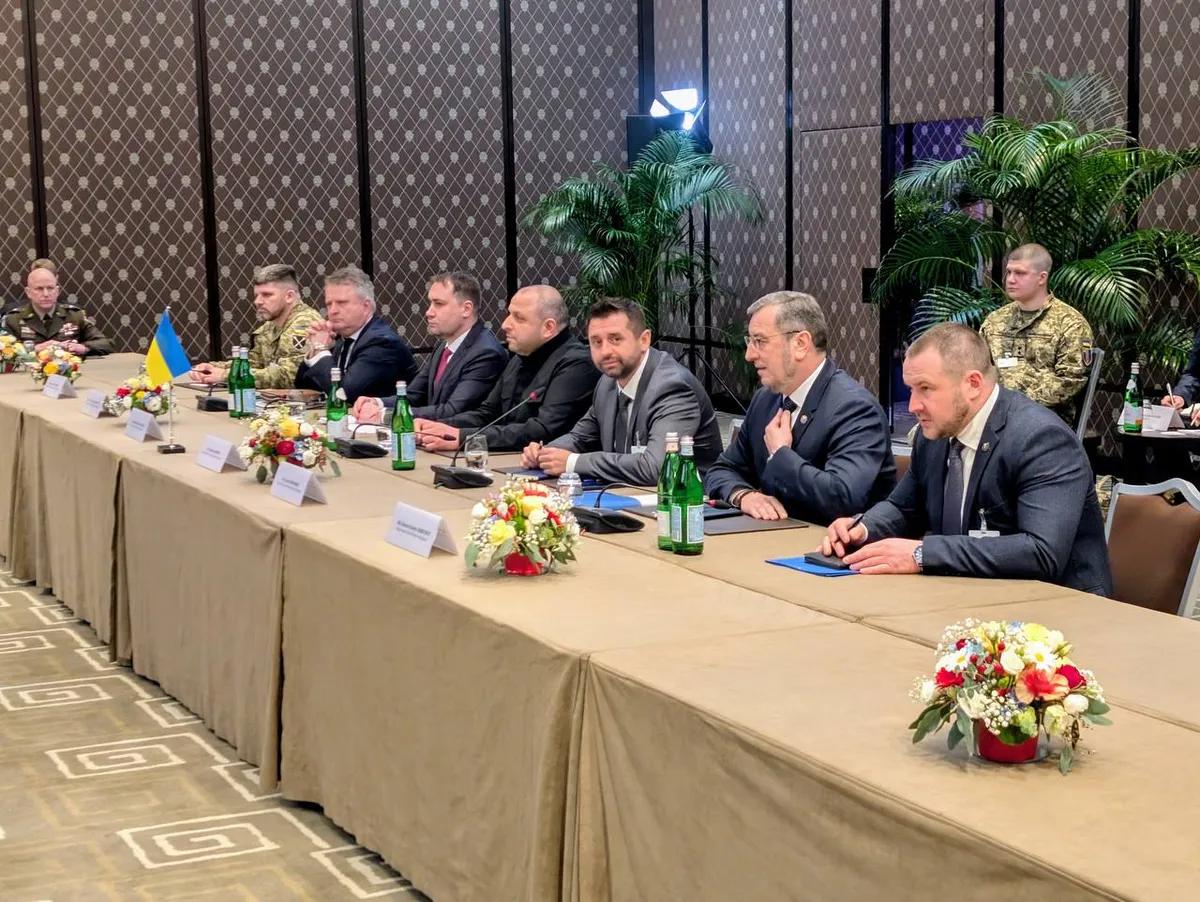
Ukraine's pivot to bilateral US talks (rather than waiting for three-way negotiations) compresses the decision window on European defense spending and NATO force rotation cycles.
If these talks produce a settlement framework within weeks, allied procurement for long-term Ukrainian sustainment (air defense, artillery, armor) will face mid-contract cancellations; if talks stall, European defense budgets will lock in extended Ukraine support as a baseline assumption, accelerating Rheinmetall, GDELS, and Thales contract awards through 2027.
The absence of Russia at the table also signals that any agreement will require Moscow's acceptance post-hoc, creating execution risk for whatever terms emerge.
This signals a shift in negotiation structure away from multilateral frameworks toward bilateral US-Ukraine coordination on war termination.
The absence of Russia and lack of a scheduled three-way meeting suggests either: (1) preliminary US-Ukraine alignment on terms before presenting them to Moscow, or (2) a delay in formal talks that Kyiv views as strategically disadvantageous.
For defense planners, this matters because the timeline and terms of Ukrainian conflict resolution directly affect NATO force posture in Europe, allied procurement cycles for Eastern European air defense and armor replacement, and the duration of US military aid commitments.
If US-Ukraine talks produce a framework that Moscow rejects, sustained conflict funding becomes the planning assumption; if talks accelerate toward settlement, defense budgets for Ukraine support may contract faster than current multi-year commitments assume.
The article does not specify what terms Ukraine is proposing, what the US position is, or what Russia's preconditions for joining talks remain. We also don't know whether this Miami meeting is a preliminary alignment session or a stalled attempt to restart formal negotiations.
Fault Lines
Strategic intelligence, synthesized daily — with a public track record. Every call graded against what actually happened.