Trump Executive Order Strips IRS Union of Collective Bargaining on National Security Grounds
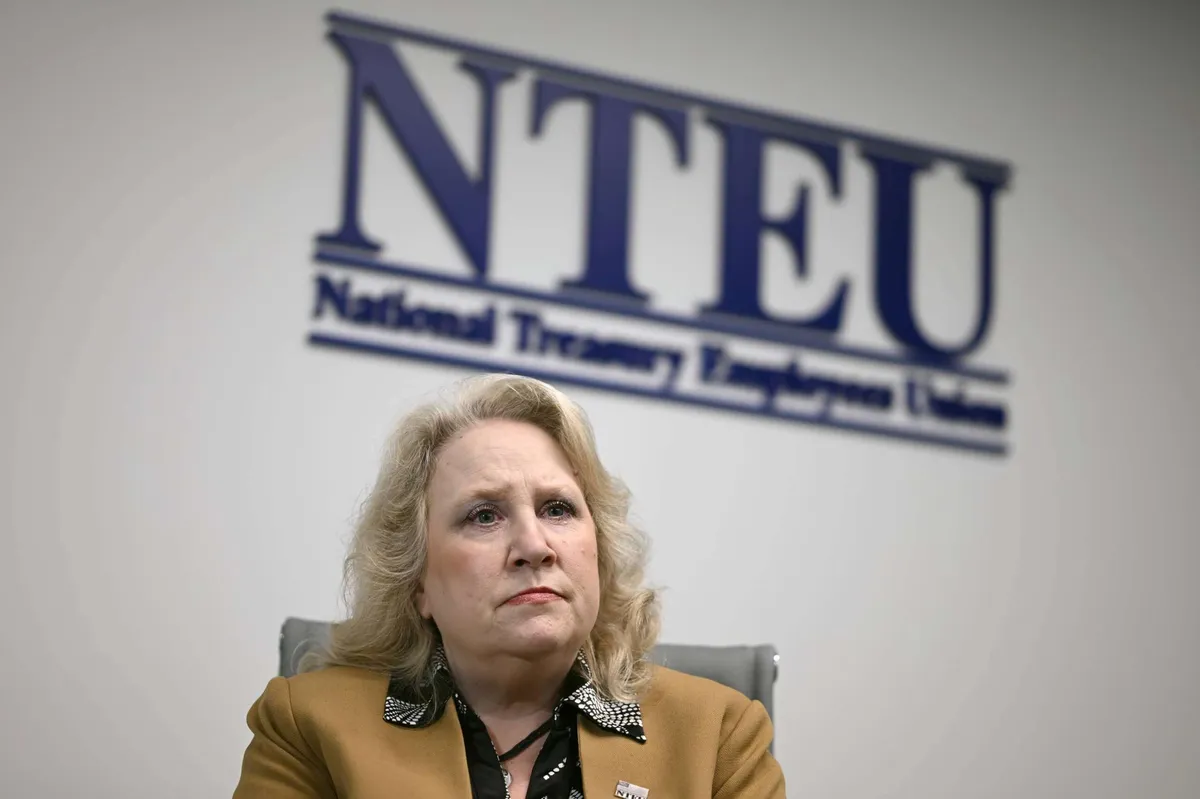
If the rescission applies to IRS positions supporting sanctions enforcement or financial intelligence (roles that feed Treasury's export control and OFAC operations), the agency gains unilateral authority to adjust staffing, compensation, and work conditions without union negotiation.
This could accelerate hiring or restructuring in compliance-critical roles, but may also increase turnover in specialized positions that require security clearances and technical expertise — creating a supply constraint precisely where Treasury needs surge capacity for Iran, Russia, and China sanctions administration.
This removes labor protections from IRS workforce management at a moment when the agency is central to enforcement of export controls, sanctions compliance, and financial intelligence operations that directly support national security.
If the rescission extends to positions involved in CFIUS review, OFAC sanctions administration, or counterintelligence vetting, it could accelerate personnel actions but may also trigger recruitment and retention friction in technical roles (compliance analysts, investigators) that compete with private sector demand.
The real constraint is unclear: the article does not specify which IRS functions or job categories are affected, making it impossible to assess whether this targets administrative overhead or operational capacity.
Which IRS job categories or divisions lose bargaining rights? Does the rescission cover OFAC sanctions compliance staff, CFIUS support roles, or only administrative functions?
Fault Lines
Strategic intelligence, synthesized daily — with a public track record. Every call graded against what actually happened.