South Korea Mobilizes Whole-of-Government Push to Win Canada Submarine Contract
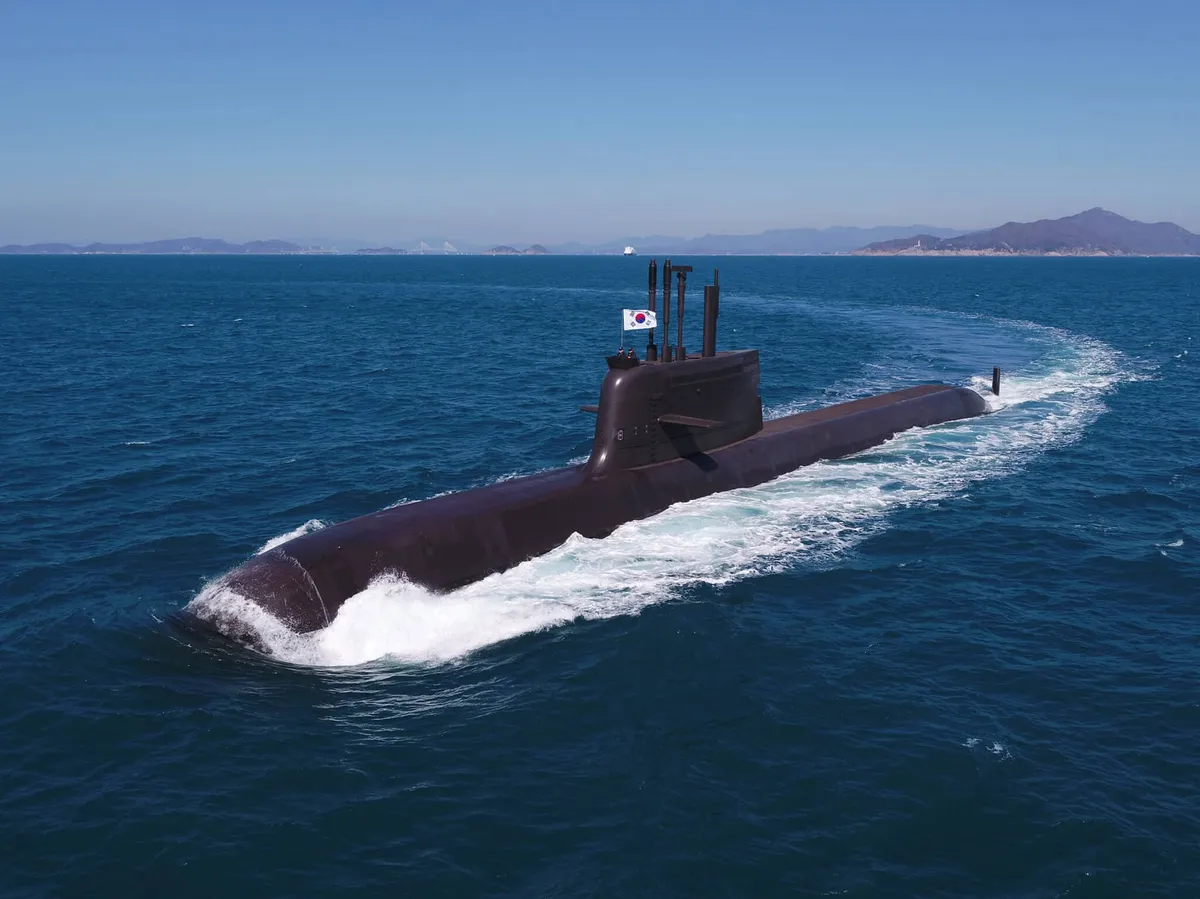
If South Korea secures the CPSP contract, Hanwha Ocean gains NATO-adjacent production certification and supply chain access that directly enables future bids into European submarine modernization and potential AUKUS Tier 2 partner contracts.
Conversely, if Canada selects Japan or France, it narrows South Korea's pathway into Western submarine industrial bases and reinforces Japan's position as the preferred Indo-Pacific submarine supplier to allied democracies—forcing Seoul to rely on domestic demand and non-aligned export markets (Turkey, Indonesia, Poland), which carry higher political risk and lower margin stability.
South Korea is competing against established players (likely Japan, France) for a multi-billion-dollar submarine contract that would anchor a decade-plus industrial relationship with a NATO ally.
If Hanwha Ocean wins, it gains production scale, allied integration experience, and a beachhead in North American submarine supply chains—critical for export competitiveness as Seoul diversifies away from domestic demand. If it loses, Seoul's naval export strategy faces a significant setback in a shrinking pool of submarine opportunities.
The 'whole-of-government' framing suggests DAPA is treating this as a strategic win, not a commercial transaction, which implies Seoul may be offering industrial offsets, technology transfer, or pricing leverage that raises questions about whether commercial terms or geopolitical alignment is driving the decision.
The article does not disclose: (1) the timeline for Canada's final selection or contract award, (2) competing bids or which nations/companies are in the race, (3) the estimated contract value or production volumes, (4) what specific industrial commitments or offsets South Korea is offering, or (5) w...
Fault Lines
Strategic intelligence, synthesized daily — with a public track record. Every call graded against what actually happened.