Russia Routes Su-57, Su-35 Fighter Plants Through Algeria; African Logistics Hub Hardens
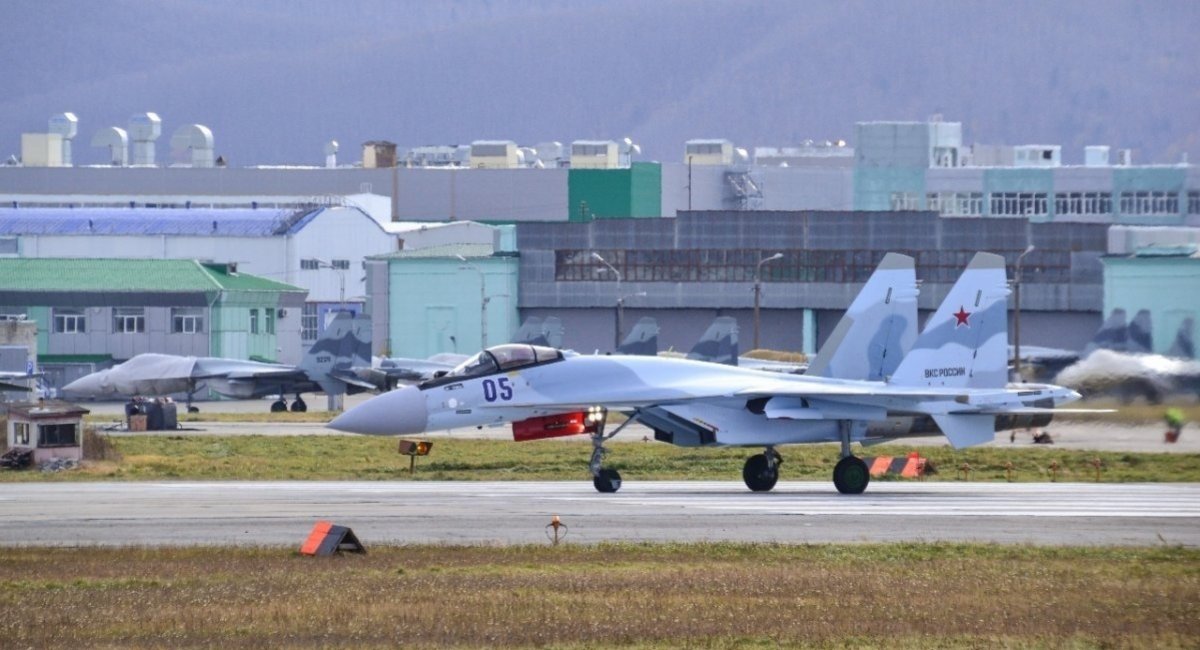
Russia's Algeria hub directly enables Africa Corps expansion in the Sahel by removing logistics dependency on European airspace—a vulnerability the U.S. and France have exploited to constrain Russian military mobility.
Hardened African logistics also reduce the operational cost of rotating advanced fighters (Su-57, Su-35) to forward bases in Mali and Guinea, making Russian air support cheaper relative to Wagner ground operations. This tightens the Russia-Africa military partnership and raises the threshold for U.S. counter-intervention without direct confrontation with Russian air assets.
Russia is hardening a secondary supply line for African operations independent of European airspace.
The scale—167 flights in 14 months—indicates sustained logistics infrastructure, not ad-hoc movements. This matters because it decouples Russian military presence in the Sahel (where Wagner/Africa Corps operates) from European interdiction points and NATO air defense coverage.
Algeria's role as a hub also signals tacit state-level cooperation with Moscow, which complicates Western counter-Wagner strategy in Mali, Burkina Faso, and Niger. For the U.S., this is a consolidation play: Russia is not testing a route; it's operationalizing one.
Are these flights moving finished aircraft, components, or personnel? The source identifies plant linkages but doesn't specify cargo manifest patterns. That distinction determines whether Russia is rotating pilots/maintenance crews or relocating production capacity.
Fault Lines
Strategic intelligence, synthesized daily — with a public track record. Every call graded against what actually happened.