12 Senators Push to Remove US-Israel Tech Provisions From NDAA
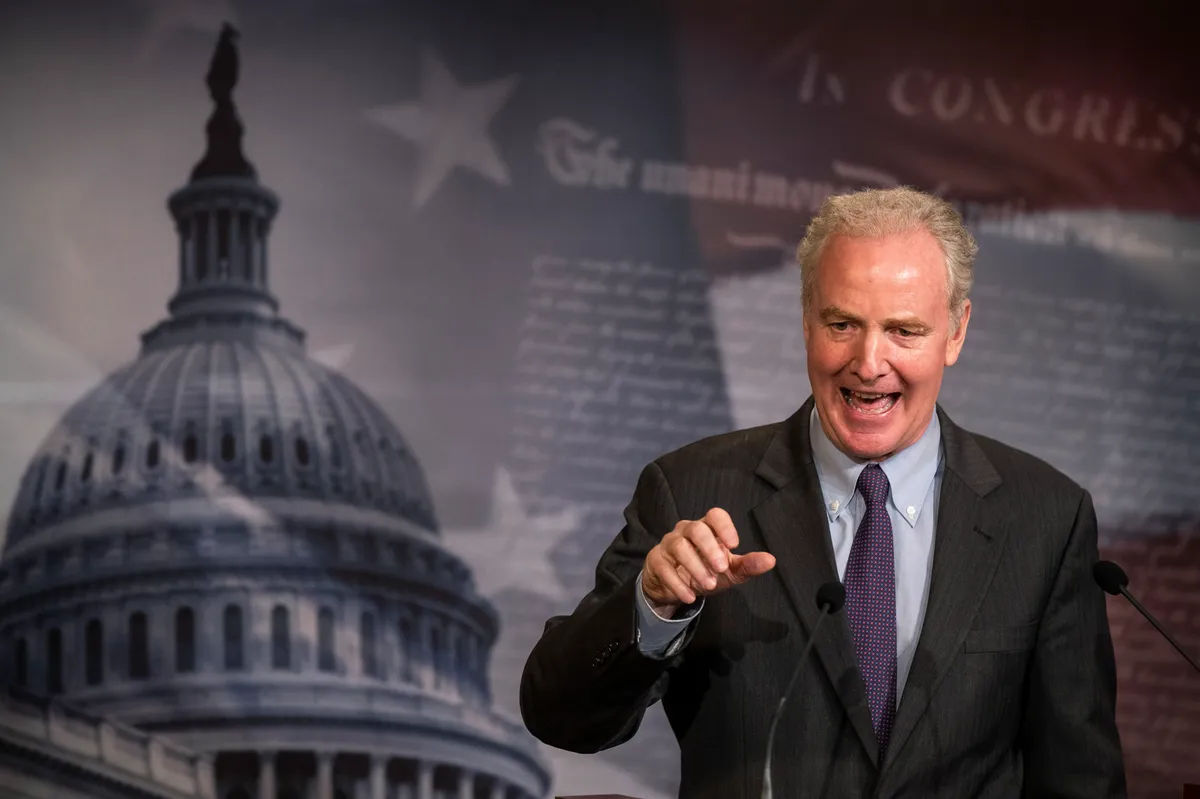
If the FUTURES Act provisions survive conference intact, Raytheon and Rafael Systems — already co-developers of David's Sling — stand to benefit from a formalized Pentagon-managed co-development pipeline that bypasses the State Department's Foreign Military Sales oversight layer.
That shift matters because FMS carries congressional notification requirements and hold mechanisms that the commercial partnership model would not. Van Hollen's office signaling 'next steps' if provisions remain suggests a floor amendment or hold threat is the backstop, which forces Senate leadership to weigh the cost of a procedural fight against the value of the provisions to the bill's managers.
Twelve senators opposing these provisions creates a credible floor fight during NDAA conference, where a handful of votes can strip or modify sections without a floor amendment.
The target provisions — FUTURES Act in the Senate, the Defense Cooperation Initiative in the House — would move US-Israel weapons technology collaboration out of State Department oversight and into a Pentagon-managed commercial framework, which critics say reduces congressional leverage over transfers.
The existing Memorandum of Understanding expires in 2028 and provides billions in financing for Israel to procure US-made weapons; if the FUTURES Act survives conference, it replaces that structure before the MOU lapses.
Does the Senate Armed Services Committee leadership support retaining the FUTURES Act provisions, and have any Republican co-sponsors committed to defending them in conference negotiations?
Fault Lines
Strategic intelligence, synthesized daily — with a public track record. Every call graded against what actually happened.