US-Panama Jungle Training Revamp Signals Renewed Canal Zone Security Focus
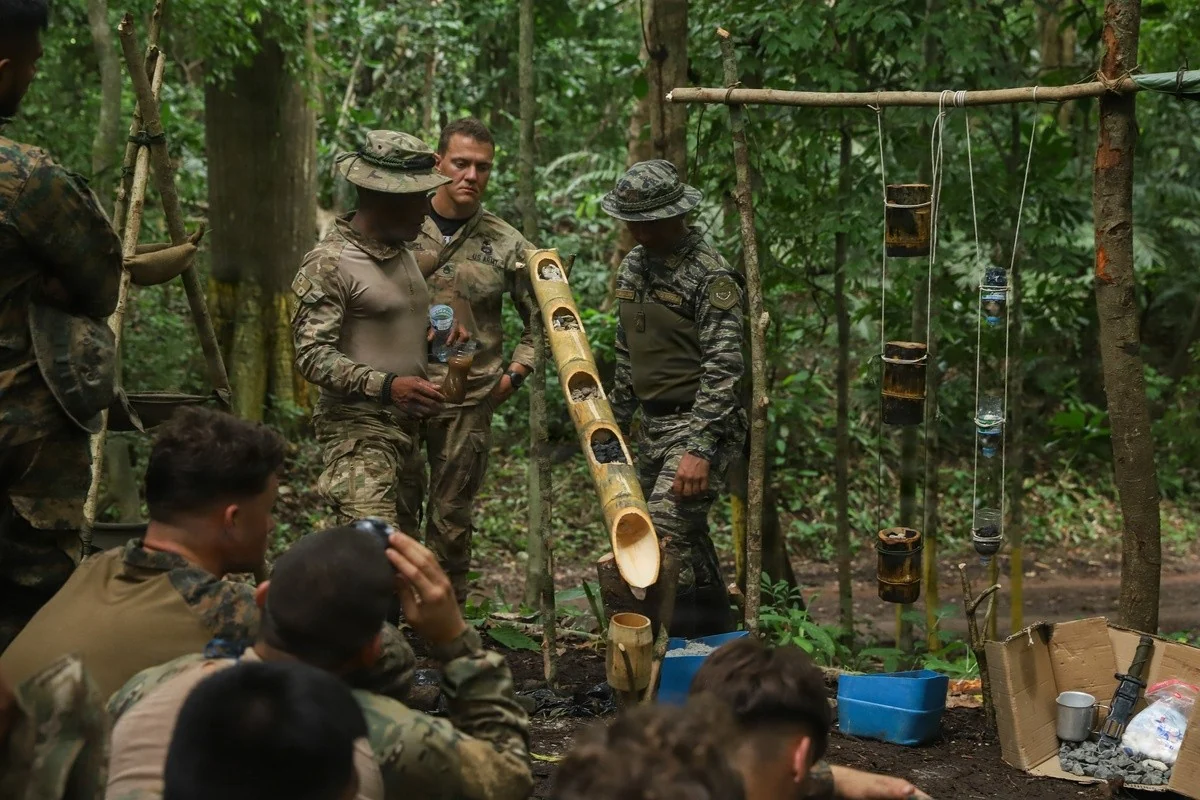
Renewed US-Panama military interoperability training directly supports force projection into the Caribbean and Central America, a region where Chinese and Russian naval activity has increased.
If JOTC-P becomes an annual or biannual fixture with sustained Panamanian participation, it locks in logistical demand for training support contractors and signals SOUTHCOM's intent to maintain operational readiness in a zone critical to global shipping.
Conversely, if Panamanian participation remains shallow or politically contentious, the program's sustainability becomes a proxy for broader US-Panama defense relations — a leading indicator of whether Washington retains effective forward-basing rights in the region.
This signals a deliberate recalibration of US Southern Command's posture toward Panama and the Canal Zone after years of minimal visible engagement.
The timing — revitalization in August 2025, expanded course running through February 2026 — coincides with rising Chinese port investment in the region and Panamanian political pressure over US military presence. For defense primes supporting SOUTHCOM logistics and training infrastructure (Oshkosh, L3Harris, Textron), this indicates sustained or growing training budgets in the region.
The real constraint: the article doesn't specify whether this is a one-time exercise or a recurring annual program, which determines whether this reflects a structural commitment or a seasonal adjustment.
The article does not disclose the size of the training cohort, which units are participating (Panamanian Army vs. National Police vs. other services), or whether this course now runs annually versus its previous frequency.
Fault Lines
Strategic intelligence, synthesized daily — with a public track record. Every call graded against what actually happened.