Trump Proposes Joint Hormuz Control with Iran; Signals Diplomatic Overture Mid-Conflict
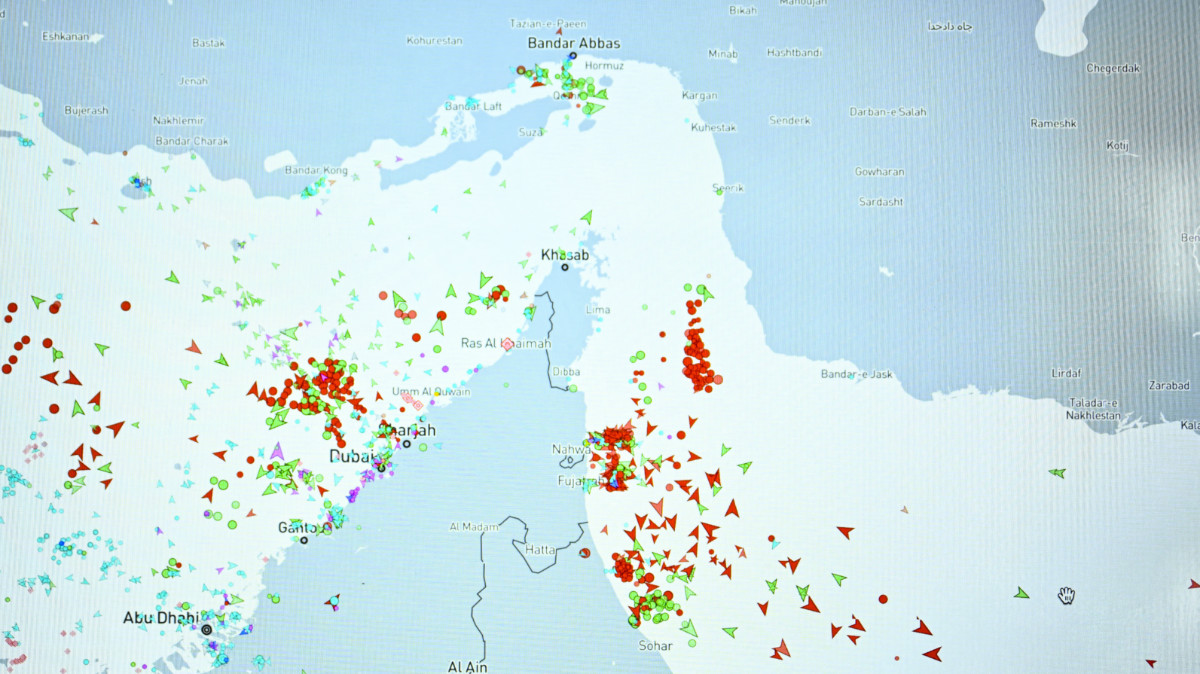
A formalized agreement granting Iran de facto Hormuz authority would convert energy security from a US-guaranteed public good into a variable dependent on US-Iran diplomatic standing.
This directly affects allied procurement timelines: South Korea, Japan, and Taiwan would need to hedge energy supply chains away from Persian Gulf dependency, accelerating LNG infrastructure investment and forcing allied navies to plan force posture around Iranian chokepoint leverage rather than free passage.
It also resets the terms of Israeli deterrence—if the US is negotiating sphere-of-influence arrangements with Iran, allied confidence in US nuclear umbrella commitments (particularly for Gulf states) will erode unless explicitly reaffirmed.
This signals a tactical shift from military pressure toward negotiated settlement, but the proposal itself—recognizing Iranian sphere of influence over a waterway through which 21% of global oil transits—would represent a major concession to Tehran if formalized.
The timing matters: Trump is attempting to freeze the conflict at a moment when Iran has demonstrated ability to penetrate Israeli air defenses and strike US-allied territory (Diego Garcia, Kuwait, Saudi Arabia), while Israel has begun striking Iranian capital infrastructure.
Any agreement that legitimizes Iranian control over Hormuz would reshape shipping insurance, energy pricing, and allied basing strategy across the Indo-Pacific and Middle East. The credibility of this proposal depends on whether Iran views it as a genuine off-ramp or a negotiating tactic to buy time for further strikes.
The article does not specify what 'joint control' would mean operationally—does it imply Iranian veto over US carrier transits, revenue-sharing, or something else?
Fault Lines
Strategic intelligence, synthesized daily — with a public track record. Every call graded against what actually happened.