Ukraine Develops FPV Drone Anti-Helicopter Tactic After First Ka-52 Kill
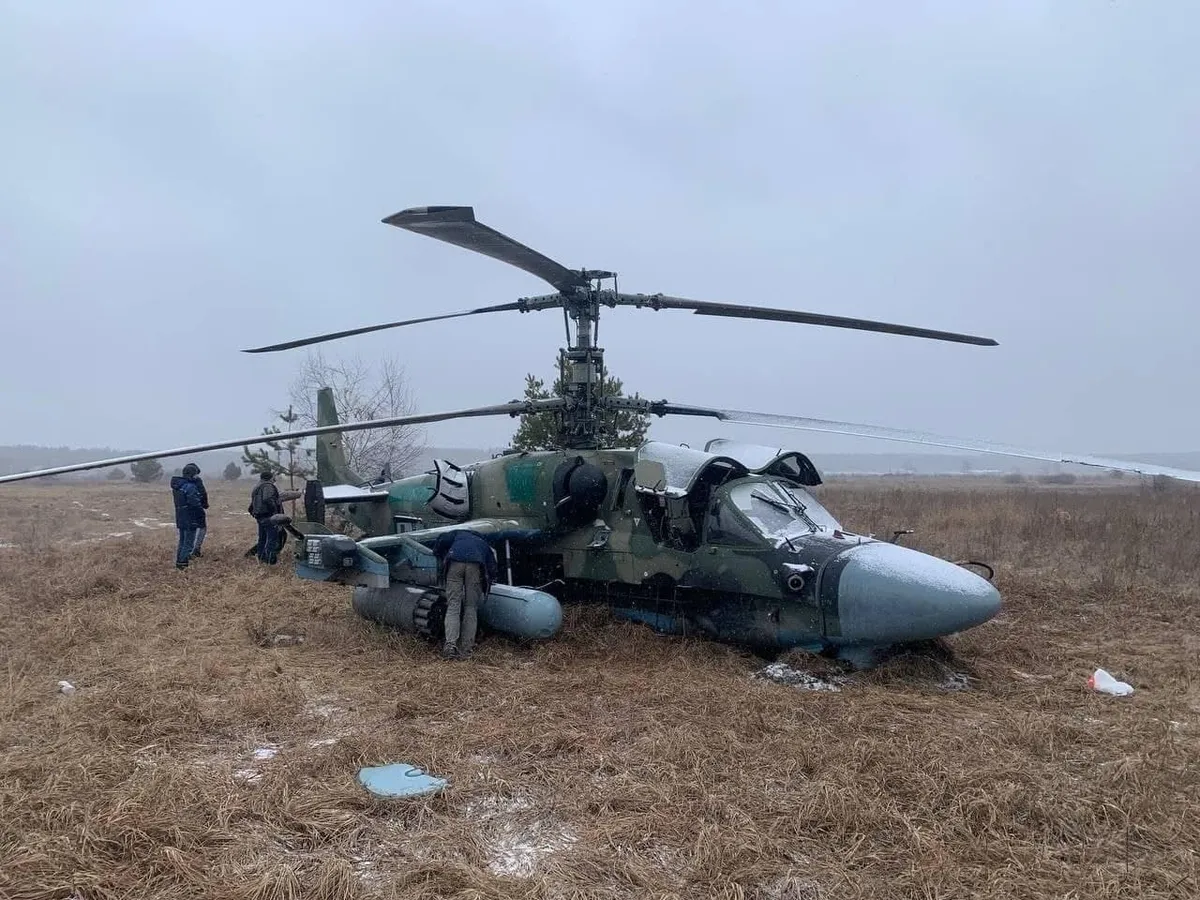
FPV drone anti-helicopter tactics, if operationalized, reduce Russian rotary-wing sortie availability in active sectors, forcing deeper basing or higher-altitude operations that reduce effectiveness of fire support for ground maneuver. This directly affects the tempo of Russian offensive operations — particularly in Donbas sectors where close air support has been a key enabler of combined-arms assaults.
If Ukraine can produce FPV drones at scale (hundreds per month), the cost-exchange ratio makes Ka-52 attrition economically unsustainable for Russia, potentially accelerating a shift toward cheaper unmanned attack platforms or forcing Russian air operations into NATO airspace risk zones.
This represents a tactical innovation with immediate operational relevance: FPV drones cost $500–$5,000 per unit versus $16–$20 million per Ka-52, creating a severe cost-exchange ratio favoring Ukraine.
If Ukrainian forces can reliably replicate this kill method, it forces Russian helicopter operations to higher altitudes or reduced sortie rates, degrading close air support effectiveness in active sectors.
The constraint is technical — rotor turbulence defeats most current FPV guidance systems — so the timeline to weaponization depends on whether Ukrainian engineers can solve aerodynamic penetration or whether they must accept low hit-probability tactics.
This is incremental rather than structural: it adds one tool to Ukraine's drone arsenal but does not alter the fundamental attrition dynamic or force the pace of the conflict.
The article does not specify: (1) how the first Ka-52 was actually destroyed (direct collision, detonation proximity, guidance method); (2) estimated FPV drone production capacity or current monthly output; (3) which Ukrainian design bureau or private firm is leading the helicopter-focused FPV devel...
Fault Lines
Strategic intelligence, synthesized daily — with a public track record. Every call graded against what actually happened.