The Diplomat: India's Mediation Bid on Ukraine Carries Little Leverage Over Moscow
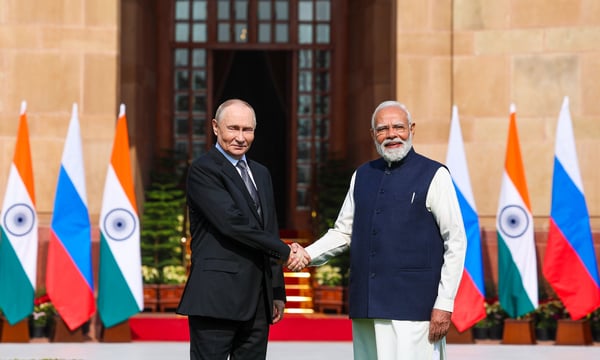
D'Souza's core argument — that strong India-Russia ties do not translate into leverage on the war — matters for how Washington reads New Delhi's mediation pitch. If the administration treats India as a back-channel to Moscow and India cannot actually move Russian positions, the diplomatic bandwidth spent cultivating that channel produces no ceasefire dividend.
The food corridor framing is the more durable play: it lets India claim a constructive role without requiring Russian consent, and it aligns with India's direct import interests in a way that gives the offer domestic political logic beyond optics.
India's offer to mediate food corridors gives New Delhi a narrow functional role — one that does not require Russian compliance and could be pursued bilaterally with Kyiv and grain-importing states regardless of ceasefire progress.
The food corridor angle matters to India concretely: the article notes Indian vegetable oil imports from Ukraine fell to a four-year low in September, forcing refiners to shift to Malaysian and Indonesian palm oil at higher cost. If the Abu Dhabi talks remain stalled — as the prior Fault Lines signal on November 12 confirmed they did — India's corridor diplomacy becomes the only active channel New Delhi can claim.
Has India made any specific operational proposal to Kyiv on food corridor mechanics — shipping insurance, naval escort, or port logistics — or is the 'readiness to mediate' confined to Modi's X post?
Fault Lines
Strategic intelligence, synthesized daily — with a public track record. Every call graded against what actually happened.