UAE-Ethiopia Cargo Flights Supply Sudanese RSF Paramilitary; Supply Chain Traced
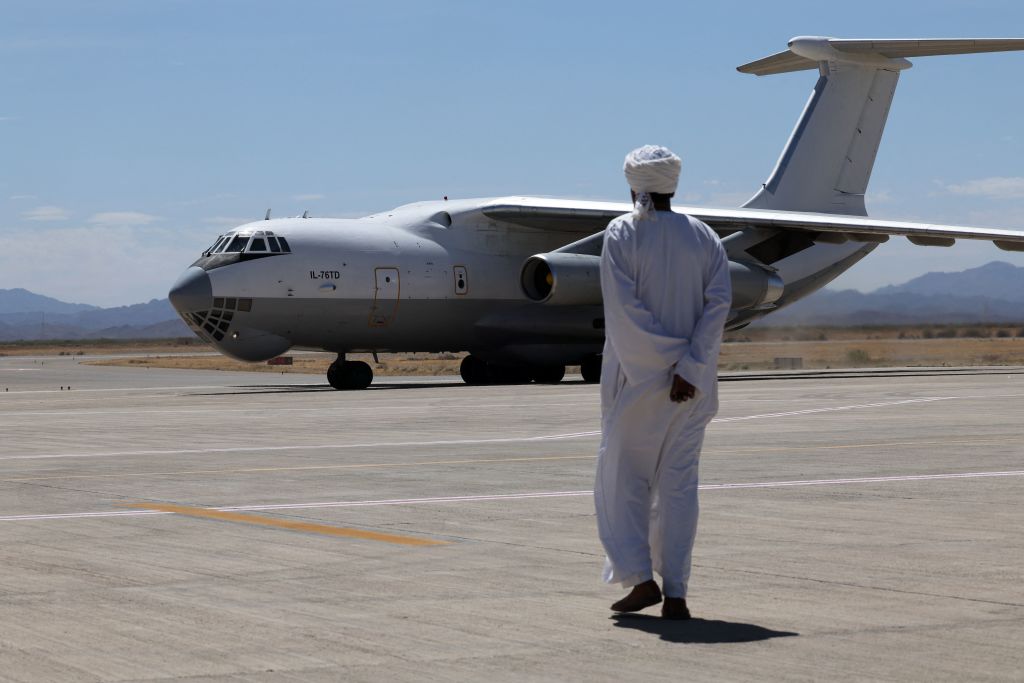
Documented third-party logistics networks arming sanctioned non-state actors create legal exposure for firms with UAE operations and complicate US Africa Command's counter-RSF posture. If UAE involvement is substantiated, it forces a diplomatic choice: enforce sanctions designation against an ally, or tolerate a supply corridor that undermines Sudan's government forces (backed implicitly by US regional interests).
The use of shell-registered carriers and multi-hop routing establishes an operational precedent for sanctions evasion in the Horn of Africa, directly applicable to future Iran or North Korea sanctions enforcement.
This documents a specific third-party logistics channel arming a non-state actor in an active conflict zone.
If the UAE connection is confirmed through flight records or manifest data, it implicates a US-aligned Gulf state in materiel support to a designated terrorist organization (RSF is sanctioned by the US since November 2023). This creates immediate exposure for any US or allied firms with UAE defense contracts or logistics partnerships, and raises questions about enforcement of existing sanctions designations on RSF.
The routing through Ethiopia—a strategic Horn of Africa node—suggests deliberate use of third-country staging to obscure supply chains, a pattern that complicates interdiction and suggests organized logistics planning rather than ad-hoc support.
The article does not specify what cargo is being transported, the frequency or tonnage of flights, or whether this supply route is currently active or historical. We also lack independent verification of the Le Monde investigation's methodology or access to flight manifests.
Fault Lines
Strategic intelligence, synthesized daily — with a public track record. Every call graded against what actually happened.