Pentagon Awards Low-Cost Missile Contracts to Anduril, CoAspire, Zone 5, Leidos; 10,000+ Units Over Three Years
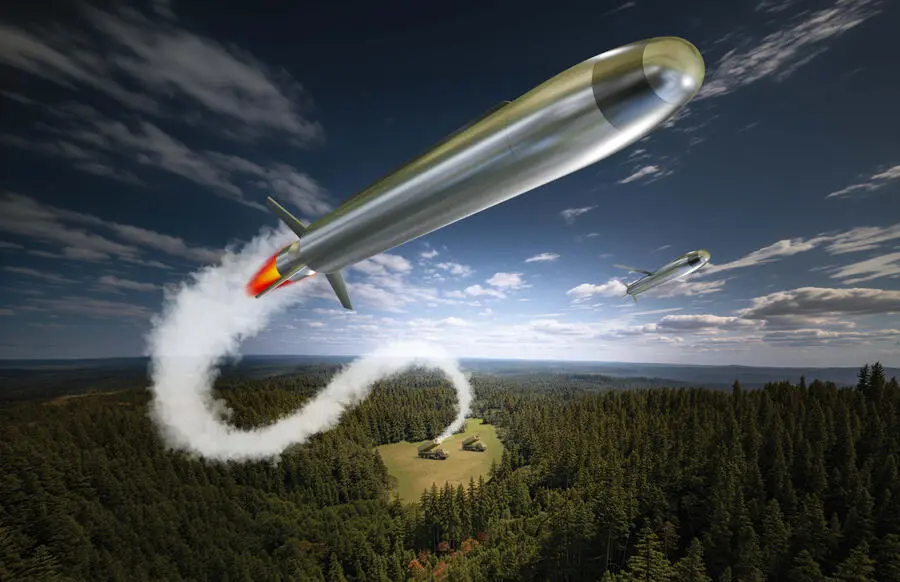
The four-vendor approach signals the Army is no longer betting on a single production bottleneck.
Anduril's prior Barracuda-500M deal (10,000+ units over three years, announced May 15) suggests the Pentagon is using competitive framework agreements to force price discipline—if Anduril, CoAspire, Zone 5, and Leidos are all bidding the same containerized missile architecture, none can hold the program hostage on cost or schedule.
However, this distributes risk across four supply chains: if CoAspire hits a materials shortage, the Army loses that contractor's production but still has three others.
This locks the Army into a distributed production model across four vendors—a hedge against any single supplier's capacity constraint, but one that fragments quality control and logistics integration during a period when the Hormuz blockade is already straining munitions availability.
The three-year timeline means initial deliveries must begin by Q2 2027 to meet the implicit demand signal from the current Middle East surge; if any contractor misses by six months, the Army faces a gap in low-cost standoff inventory precisely when it's rotating forces through the Red Sea escort mission.
Watch the Q2 2026 Defense Counterintelligence and Security Agency (DCSA) facility certifications for all four firms—any security clearance delays will cascade into production delays.
What is the actual unit split across the four contractors—is Anduril carrying 60% of the 10,000-unit load, or is this a genuinely balanced four-way split?
Fault Lines
Strategic intelligence, synthesized daily — with a public track record. Every call graded against what actually happened.