Ukraine Strikes Moscow Oil Refinery Second Time in Week; Energy Disruption Escalates
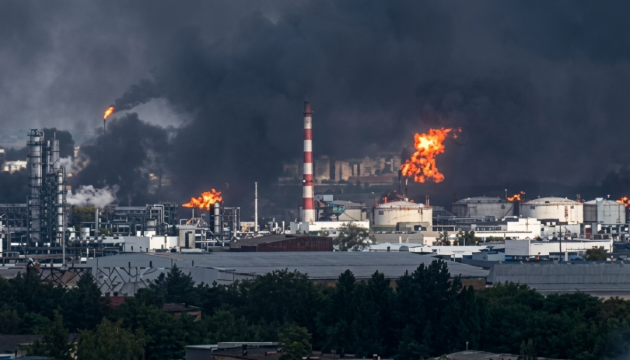
If Ukraine sustains this strike cadence (two major refinery hits per week), Russia's refined fuel stocks will deplete faster than replacement capacity can be rebuilt. That forces Moscow to either import refined products from Iran or India at a premium — both options visible in shipping and sanctions-evasion networks — or ration military fuel allocation.
The second option creates a hard constraint on sortie rates and mechanized operations by late Q3, which INDOPACOM and NATO intelligence will be watching for in satellite imagery of staging areas.
Ukraine is systematically degrading Russia's refining capacity at a tempo that forces Moscow to choose between air defense concentration and industrial protection — a constraint that will surface in Q3 logistics planning if the strike rate holds.
Each refinery hit reduces export-grade fuel output by an estimated 5-8% of Russia's domestic production, tightening the margin for both civilian consumption and military operations. Watch whether Gazprom or Rosneft requests emergency tariff relief or force-majeure declarations in the next 30 days — that's the signal Moscow is feeling the pinch.
What is the actual damage assessment from these two strikes — production capacity offline (barrels per day) versus recoverable damage? Has the US or NATO released imagery confirming the hits, or is this unilateral Ukrainian claim?
Fault Lines
Strategic intelligence, synthesized daily — with a public track record. Every call graded against what actually happened.