160th SOAR to Operate MV-75 and MH-60 in Parallel; No Full Replacement Planned
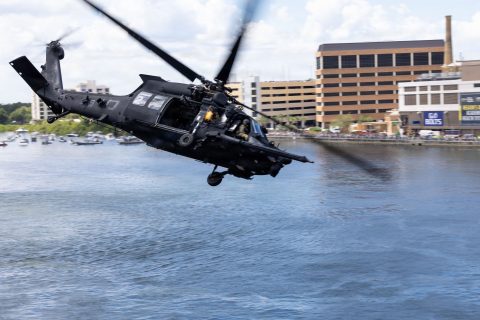
The dual-fleet decision exposes a hard constraint in SOCOM's force design: the MV-75's 280+ knot cruise speed and 600+ nm range enable deep-strike missions the MH-60 cannot sustain, but the MV-75's larger footprint and higher operating costs make it unsuitable for the close-quarters insertions that define 160th operations in contested urban terrain.
If the MV-75 procurement remains on track (Bell has not announced delays), expect SOCOM to request a formal mission-split doctrine by FY27 — which will then drive separate training requirements and force-structure decisions for the broader aviation community.
Watch whether this dual-fleet model becomes the template for other special operations platforms (e.g., AC-130 replacement) or remains a one-off accommodation to schedule risk.
SOCOM's decision to operate both platforms simultaneously signals a capability gap that neither aircraft alone can fill — likely driven by the MV-75's speed and range advantages against the MH-60's hover precision and proven doctrine.
This dual-fleet approach commits SOCOM to two separate training pipelines, maintenance supply chains, and pilot qualification tracks, which will strain the 160th's already-tight personnel budget and extend the MV-75's operational maturity timeline.
The timeline matters: if the MV-75 IOC slips beyond 2027, SOCOM absorbs the cost of sustaining legacy MH-60s longer than planned, while if it accelerates, the 160th faces a 3-4 year transition period where both fleets must operate in parallel, competing for hangar space and maintenance technicians at forward bases.
What is the actual mission split between the two platforms — is the MV-75 designated for specific threat environments (standoff insertion, long-range raids) while the MH-60 retains close-air-support and urban operations, or is this a hedge against MV-75 development risk?
Fault Lines
Strategic intelligence, synthesized daily — with a public track record. Every call graded against what actually happened.