RAF Surge to Middle East Reaches 15-Year Peak Amid Active Iran-Israel Conflict
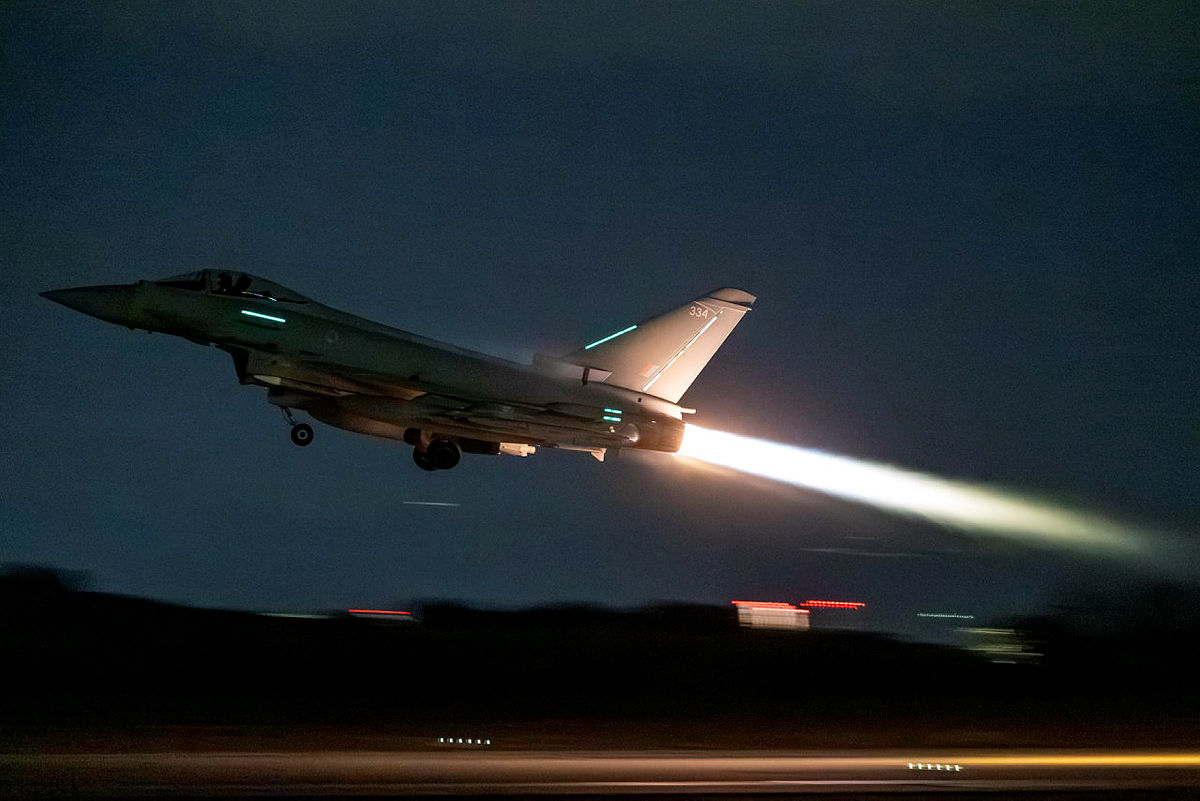
UK air power deployment creates a second allied logistics and basing requirement in an already-strained theater. If the RAF is co-locating with US forces in the Gulf, it compounds the munitions shortage already documented (March 17 signal on US missile depletion), forcing shared inventory management.
If based separately (Cyprus), it signals UK independent strike capability but requires dedicated air defense and supply lines—a secondary cost during active conflict when US and Israeli resources are already stretched.
The deployment also tests NATO interoperability under wartime conditions, which will surface in allied air command coordination and potentially in follow-on burden-sharing demands from Gulf partners hosting these forces.
This represents the first allied air force escalation beyond the US-Israel strike campaign already underway.
UK involvement signals NATO-aligned commitment to the conflict and expands the air defense burden on Iranian air defenses and assets. However, the article provides no operational detail—deployment size, basing location, rules of engagement, or whether these aircraft are participating in strikes or purely defensive coverage. Without those specifics, the strategic weight cannot be assessed.
If the RAF is conducting joint strike sorties with US/Israeli forces, this elevates allied coordination. If purely defensive, it may indicate preparation for Iranian retaliation against UK bases or assets rather than offensive escalation.
How many aircraft were deployed? Where are they based (Cyprus, Gulf emirates, or elsewhere)? Are they conducting joint strike operations with US/Israeli forces, or purely air defense? What is the stated duration of the deployment?
Fault Lines
Strategic intelligence, synthesized daily — with a public track record. Every call graded against what actually happened.