F-47 Sixth-Gen Fighter Delayed to Mid-2030s; Services Face 8+ Year Capability Gap
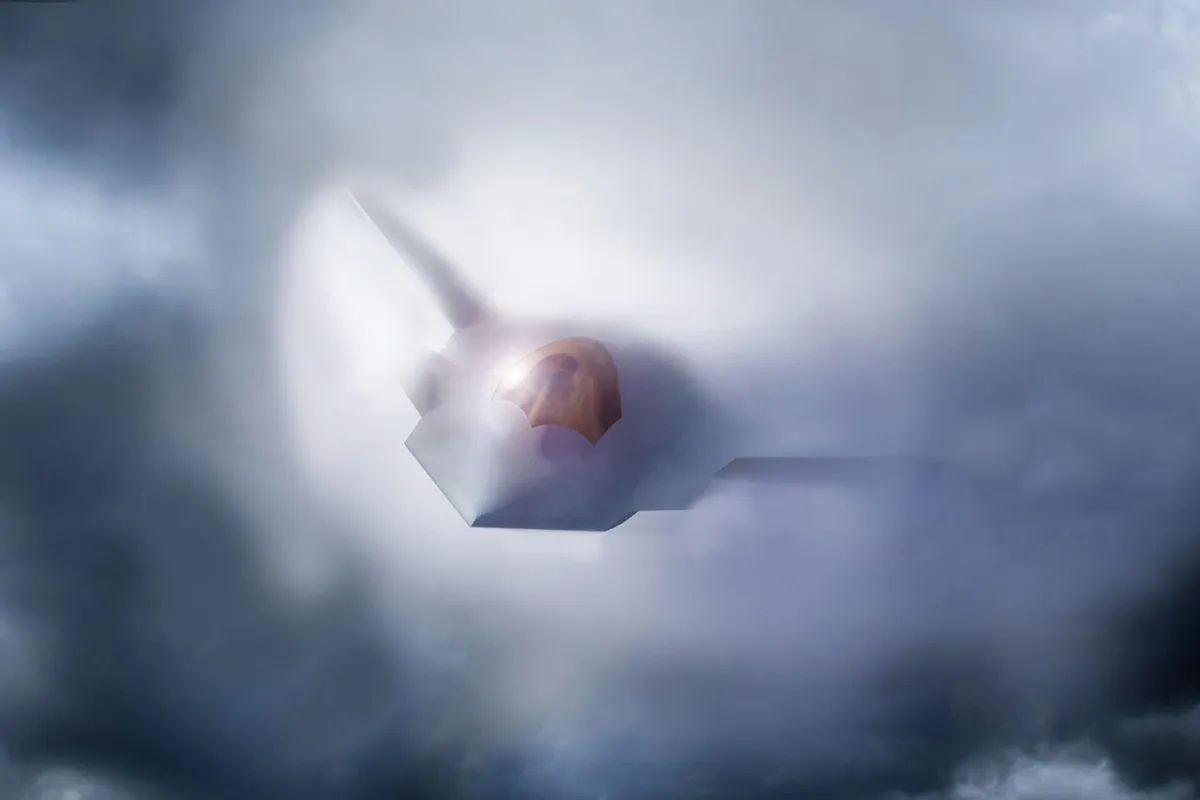
Delayed sixth-gen availability forces extended F-35 and F-16 sustainment contracts (Market Forces pillar), which compete for depot capacity and spares funding against current Middle East operations consuming munitions faster than production replenishes (per March 17 munitions depletion signal).
Concurrently, legacy platform extension reduces the operational window for Pacific Command to transition to next-generation air superiority before potential Taiwan contingency (Power Projection pillar), as force modernization now compresses into a narrower post-2030 window while current conflict demands immediate sustainment spending.
An 8-year delay in sixth-generation fighter availability directly undermines force modernization plans during active Middle East conflict (per concurrent signals).
The services must sustain F-35, F-16, and F/A-18 fleets longer than budgeted, compressing sustainment margins and deferring next-generation capability investment. This is particularly acute given concurrent munitions depletion in active operations (March 17 signal on US missile inventory strain).
Defense primes (Lockheed, Boeing, Northrop) face extended sustainment contracts but delayed next-gen production ramps, affecting 2027-2032 revenue guidance and capital allocation. Readiness planners must assume legacy platform availability through mid-2030s rather than planned retirement dates.
The article does not specify which program delays (F-47 engine, airframe, integration, testing) are driving the mid-2030s date, whether this reflects a formal Air Force/Navy reassessment or a congressional projection, or how this interacts with current F-35 production rates and sustainment budgets.
Fault Lines
Strategic intelligence, synthesized daily — with a public track record. Every call graded against what actually happened.