Turkey Faces Structural Exposure as Iran Conflict Threatens NATO's Southern Flank and Energy Access
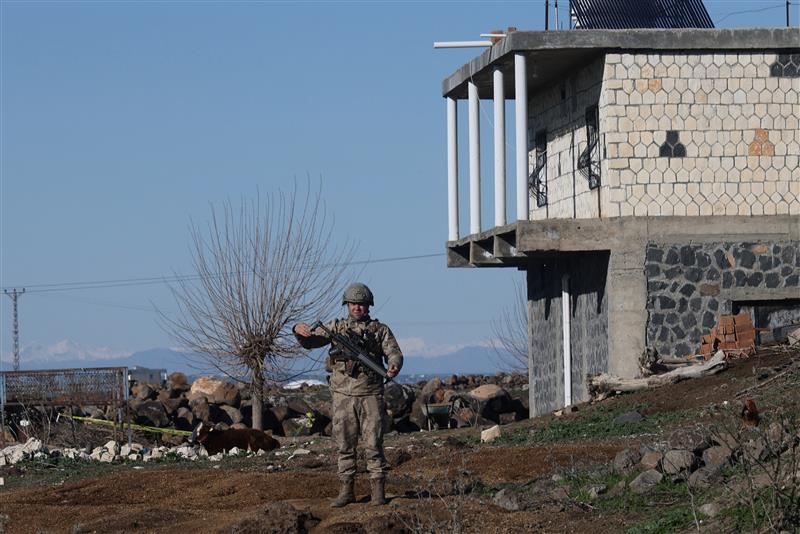
Turkey's energy vulnerability directly constrains NATO's ability to sustain air operations from Turkish bases — fuel logistics for Incirlik and Adana depend on stable Hormuz flows and Turkish refinery capacity.
If Turkey rationing or redirecting energy to civilian economy, USAF/USN sortie generation from southeastern Turkey declines, forcing operational tempo shifts toward carrier aviation and pushing sustained regional air defense onto fewer platforms.
Simultaneously, Kurdish militant activity in southeastern Turkey could force Turkish military to divert assets from NATO coordination, creating a secondary theater that competes for US air support attention.
Turkey sits at the intersection of three active threat vectors: (1) Iranian retaliation targeting US/Israeli assets could spill into Turkish airspace or territory given NATO base proximity (Incirlik, Adana); (2) Hormuz throughput collapse documented by the IEA directly reduces Turkish energy security and export competitiveness, as Turkey imports roughly 90% of crude oil; (3) Kurdish militant groups (PKK/YPG) have historically exploited regional chaos to increase operations, and Iranian collapse scenarios could destabilize southeastern Turkey.
Unlike Syria (2011-15) or Iraq (2003-present), where Turkey managed containment through border operations and NATO air cover, an Iran scenario offers no stable endgame Turkey can control. If Ankara cannot maintain neutrality (pressure from Washington to join strikes, Iranian threats if it does), it absorbs costs on three fronts simultaneously — energy inflation, NATO operational burden, and domestic security.
The article identifies the problem but does not clarify Turkey's current diplomatic posture or whether NATO has issued contingency requests.
The article does not specify: (1) whether Turkey has formally requested NATO Article 5 consultations or emergency energy assistance; (2) what Turkish military assets are currently on heightened alert; (3) whether Ankara is coordinating with Russia (energy supplier, Syria neighbor) or maintaining dis...
Fault Lines
Strategic intelligence, synthesized daily — with a public track record. Every call graded against what actually happened.