IDF Ground Offensive in Lebanon Enters Active Phase Amid Concurrent Iran Campaign
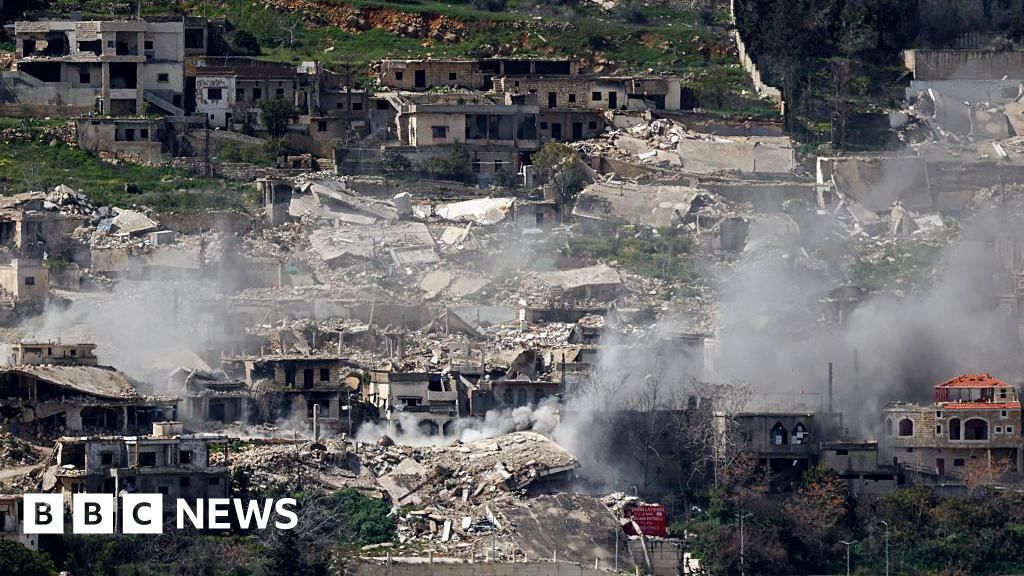
A Lebanon ground offensive forces IDF to split air defense resources between northern border (Hezbollah air and rocket threats) and southern airspace (Iranian retaliation vectors). This creates a window for Iranian follow-on strikes on Israeli territory or US bases in the region — the same bases already targeted March 4 (Al Udeid) and March 1 (Kuwait).
If Hezbollah escalates rocket fire into northern Israel to pin down air defenses, Iran gains tactical cover for deeper strikes on Israeli command infrastructure. Conversely, if IDF achieves rapid territorial gains in Lebanon, it may signal to Iran that US-Israeli air superiority is durable, potentially shortening the retaliation cycle.
Israel is now executing a two-front kinetic campaign — simultaneous strikes deep into Iran (Tehran bunker strike on March 6, IRGC compound on March 4) and ground operations against Hezbollah in Lebanon.
This multiplies force distribution demands at a moment when US air superiority over Iran remains contested and Iranian retaliation cycles continue (Al Udeid strike March 4, drone strike on Kuwait March 1 killing six US troops). If IDF commits significant armor to Lebanon while maintaining the Iran campaign, it either signals confidence in air superiority holding or acceptance of degraded capability on one front.
Hezbollah's March 4 Khiam attack and rocket strikes on Kiryat Shmona show the group remains operationally active despite the broader US-Israel campaign. The timing matters: a full Lebanon invasion during active Iranian retaliation creates a two-vector threat environment that strains Israeli air defense and command capacity.
The article does not specify the scale of Israeli forces being deployed to Lebanon, the stated military objective (encirclement, buffer zone, or regime change), or whether this operation is coordinated with US ground forces or contingent on further Iranian response.
Fault Lines
Strategic intelligence, synthesized daily — with a public track record. Every call graded against what actually happened.