Gulf Oil Shutdowns Push Brent Crude +30% in Week One; Supply Shock Cascades Into Defense Logistics
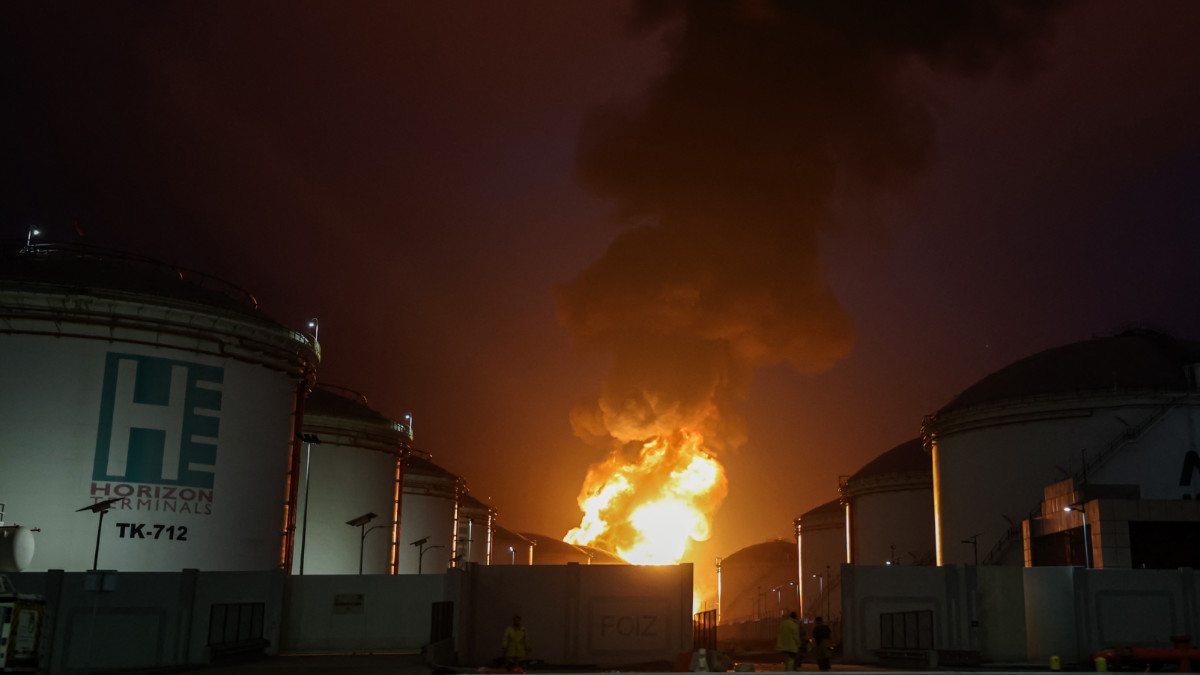
Sustained oil prices above $120/bbl (implied by a 30% rise from pre-conflict baseline ~$90) force defense contractors to invoke price adjustment clauses on variable-cost contracts, shifting the burden from suppliers to the Pentagon's budget execution.
This creates a window for repricing negotiations on FY26 sustainment renewals (RTX, LMT, GD, Huntington Ingalls) and may trigger cost-overrun reviews on fixed-price development programs, particularly those with long lead times on fuel-intensive testing or deployment schedules.
A 30% oil price spike within one week forces immediate cost escalation across defense logistics: fuel surcharges on airlift contracts, increased operating costs for carrier strike groups and forward-deployed air wings, and margin compression on sustainment contracts priced at fixed rates.
The shutdown of production in Kuwait and Qatar—both host nations to major US military bases (Al Udeid, Camp Arifjan)—creates direct operational friction: fuel supply for those bases now depends on alternative sources or rationing, reducing sortie rates and extending maintenance cycles.
This matters most to programs with high fuel intensity (B-1B operations, naval aviation, transport fleets) and to contractors with fixed-price sustainment agreements that don't include energy escalation clauses. The duration of the production halt determines whether this is a 2-3 week cost event or a structural shift in operating expense baselines.
The article does not specify how long Kuwait and Qatar have suspended production, whether partial or total capacity is offline, or whether alternative crude sources (Saudi, UAE, Iraq) are ramping to offset losses.
Fault Lines
Strategic intelligence, synthesized daily — with a public track record. Every call graded against what actually happened.